
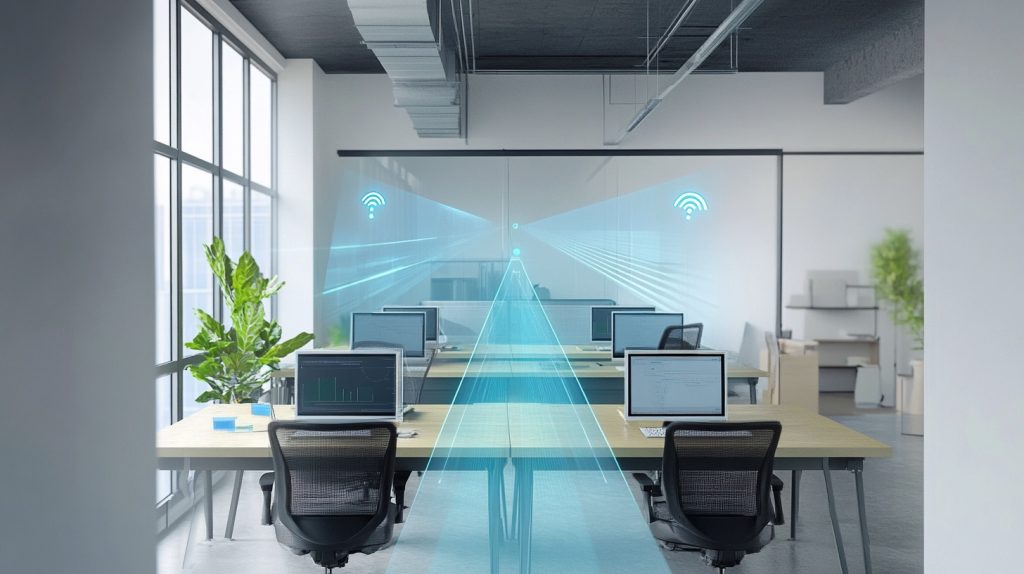
A Touch of Tech: How IoT is Transforming Office Furniture
One of the most transformative innovations in office design today is the integration of the Internet of Things (IoT) into office furniture. From smart desks with occupancy sensors to chairs that monitor posture, IoT is revolutionizing how we interact with our workspaces.
Let’s explore how smart office furniture powered by IoT is enhancing productivity, ergonomics, and overall workplace efficiency.
What Is IoT in Office Furniture?
The Internet of Things (IoT) refers to a network of physical devices equipped with sensors, software, and connectivity features that allow them to collect and share data. When integrated into office furniture, IoT technology transforms traditional workspaces into dynamic, data-driven environments.
Smart office furniture can monitor usage patterns, provide ergonomic feedback, and automate adjustments, helping businesses create healthier, more productive workspaces.
Examples of Smart Office Furniture with IoT Integration
IoT-enhanced furniture is redefining the modern workplace by combining comfort with data-driven insights. Here are some key examples:
1. Smart Desks with Occupancy Sensors
Height-adjustable desks equipped with occupancy sensors can detect when a workstation is in use. This data helps facility managers understand workspace utilization, optimize seating arrangements, and even support hybrid work models by identifying available desks in real time.
Explore All Business Systems’ sit-and-standing desks that combine ergonomic excellence with modern technology.
2. Posture-Monitoring Chairs
Ergonomic chairs with built-in sensors can track posture and provide real-time feedback to encourage better seating habits. These smart chairs can alert users when they’ve been sitting for too long or if they need to adjust their posture for better spinal alignment.
3. Smart Conference Tables
Modern conference tables now come equipped with integrated charging ports, wireless connectivity, and even voice-activated controls for presentations. Some models include sensors that track meeting room occupancy and usage patterns, making space management more efficient.
4. IoT-Enabled Lighting and Climate Control
Though not furniture in the traditional sense, smart lighting systems and climate control devices work alongside office furniture to create a cohesive workspace. These systems adjust lighting levels and temperature based on occupancy and preferences, enhancing comfort and energy efficiency.
5. Smart Storage Solutions
IoT-enhanced storage units can use digital locks and RFID technology to improve security and track who accesses certain storage spaces. This feature is especially useful in shared workspaces or co-working environments.
Benefits of IoT-Enhanced Office Furniture
The integration of IoT into office furniture offers numerous benefits that can transform the workplace experience:
1. Enhanced Ergonomics
Posture-monitoring chairs and height-adjustable desks help employees maintain healthier working positions, reducing the risk of strain-related injuries and promoting wellness.
2. Optimized Space Utilization
Occupancy sensors and smart desks provide valuable data on workspace usage. This information can help businesses optimize their office layout, reduce underutilized spaces, and better support hybrid work models.
3. Increased Productivity
By improving comfort and eliminating manual adjustments, smart furniture allows employees to stay focused on their tasks. Automated adjustments, like personalized desk height settings, save time and enhance workflow efficiency.
4. Energy Efficiency
IoT-enabled lighting and climate control systems can reduce energy waste by automatically adjusting based on occupancy, contributing to sustainability goals.
5. Data-Driven Decision Making
The data collected from smart furniture can provide valuable insights into employee habits, workspace utilization, and productivity trends. Facility managers can use this data to make informed decisions about office design and resource allocation.
Implementing IoT Furniture in Your Office
Adopting smart office furniture requires a thoughtful approach to ensure maximum benefit. Here’s how to get started:
1. Identify Your Needs
Determine the primary goals for integrating IoT into your workspace. Whether it’s improving ergonomics, optimizing space usage, or supporting hybrid work, clarity will guide your choices.
2. Choose Scalable Solutions
Opt for modular and scalable IoT furniture systems that can grow with your business. Smart desks, posture-monitoring chairs, and occupancy sensors are excellent starting points.
3. Focus on Employee Training
Provide training on how to use IoT features effectively, such as adjusting smart chairs or using personalized desk settings. User adoption is key to maximizing the benefits of smart furniture.
4. Partner with Experts
Work with professional office furniture providers who specialize in IoT integration. All Business Systems offers expert guidance on selecting and implementing smart furniture solutions tailored to your workspace needs.
Future Trends in Smart Office Furniture
The future of IoT in office furniture continues to evolve, with emerging trends such as:
- AI-Powered Analytics: Using artificial intelligence to interpret workspace data for even deeper insights.
- Health Monitoring Integration: Smart furniture that tracks heart rate and stress levels for holistic wellness.
- Voice Control and Automation: Voice-activated desks and chairs for seamless adjustments.
Upgrade Your Office with Smart Furniture from All Business Systems
At All Business Systems, we stay at the forefront of office innovation. Our selection of smart furniture, including height-adjustable desks and ergonomic seating with IoT features, can help you create a more efficient, healthier workspace.
Ready to explore the possibilities of smart office furniture? Contact All Business Systems today for expert advice and premium solutions for your modern office.