
Collaboration Spaces That Work: How to Design an Office for Teamwork
Today’s offices are evolving beyond traditional desks and cubicles. Companies are reimagining their workplaces to encourage teamwork, creativity, and innovation. Well-designed collaboration spaces can improve communication, boost productivity, and create a more dynamic work environment. Let’s explore how you can design an office that fosters effective teamwork.
Why Collaboration Spaces Matter
Collaboration is at the heart of a successful business. When employees have the right environment to brainstorm, problem-solve, and share ideas, they can work more efficiently and creatively. A well-planned office design can:
- Encourage spontaneous discussions and idea sharing
- Break down silos between departments
- Improve employee engagement and job satisfaction
- Enhance productivity by making teamwork seamless
By investing in collaboration-friendly office furniture and layouts, companies can create a more connected and motivated workforce.
Key Elements of Effective Collaboration Spaces
When designing spaces for teamwork, it’s important to focus on functionality, flexibility, and comfort. Here are some key elements to consider:
1. Open and Flexible Layouts
An open office layout encourages interaction and easy access to team members. Modular furniture, movable partitions, and adaptable workstations allow teams to customize their space as needed. Consider sit-stand desks, which provide flexibility and ergonomic benefits. Check out high-quality sit-stand desks here.
2. Comfortable Meeting Areas
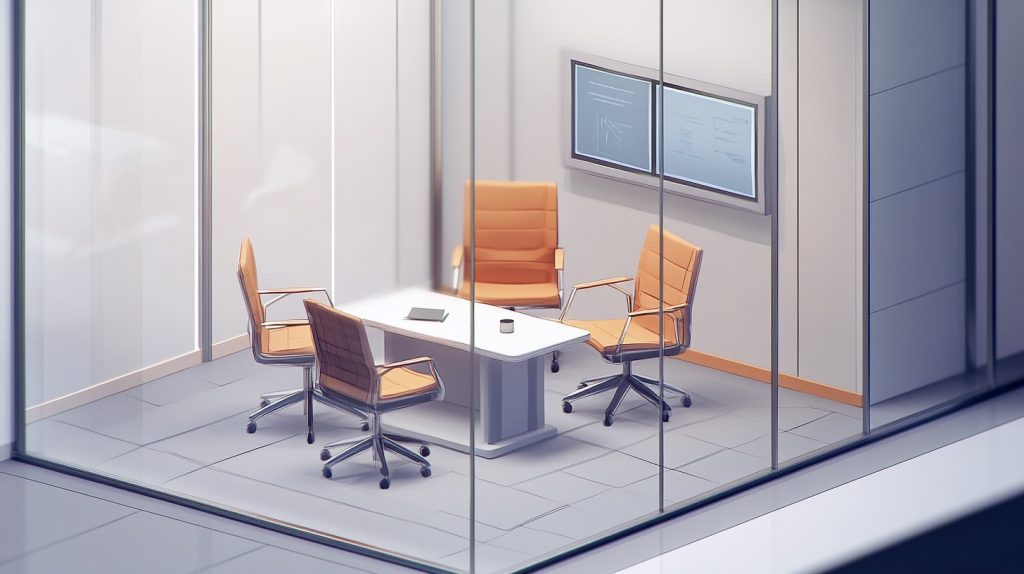
Dedicated meeting spaces are essential for productive discussions. Whether it’s a formal conference room or a casual lounge area, ensure these spaces are equipped with comfortable seating, ample table space, and technology for video calls and presentations.
3. Technology Integration
Collaboration is seamless when employees have access to the right technology. Invest in smart conference rooms with video conferencing tools, digital whiteboards, and wireless presentation systems. Charging stations and power outlets should be readily available in meeting areas.
4. Acoustic Solutions
While open spaces promote communication, noise can be a distraction. Acoustic panels, soundproof booths, and strategically placed rugs or curtains can help reduce noise levels and provide privacy when needed.
5. Breakout and Brainstorming Zones
Creativity thrives in informal settings. Create comfortable breakout zones with lounge furniture, writable walls, and brainstorming tools like sticky notes and whiteboards. These areas allow teams to step away from their desks and think outside the box.
Designing for Different Work Styles
Not all employees collaborate in the same way. A successful office should accommodate various work styles, from quiet solo work to large team meetings. Here’s how:
- Introverts: Provide quiet focus areas or small meeting rooms for one-on-one discussions.
- Extroverts: Open lounge areas and communal tables encourage social interaction and group brainstorming.
- Hybrid Workers: Equip meeting rooms with video conferencing tools to connect remote and in-office employees.
Final Thoughts
Creating a collaborative office environment is about more than just removing cubicle walls. It requires thoughtful design, the right furniture, and smart technology integration. By incorporating flexible layouts, comfortable meeting spaces, and diverse work areas, you can foster teamwork and innovation in your workplace.
Ready to upgrade your office for better collaboration? Contact us at All Business Systems for expert advice and top-quality solutions.