
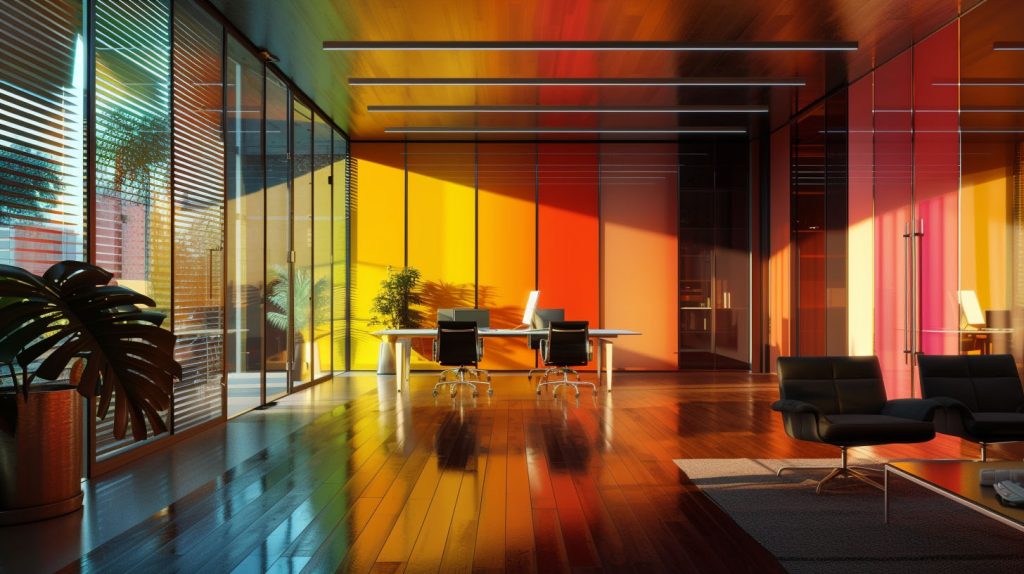
Color Psychology in the Office: How Furniture Choices Affect Mood
Office design is about more than just function—it’s also about feeling. The colors you choose for your office furniture can have a significant impact on mood, motivation, and even productivity. Whether you’re planning a full-scale redesign or simply upgrading a few pieces, understanding color psychology can help you create an environment that supports your team’s well-being and performance.
Why Color Psychology Matters in the Workplace
Colors are known to trigger emotional and psychological responses. In a workspace, these responses can influence how employees feel throughout the day—affecting focus, stress levels, creativity, and even collaboration. When furniture complements a color-conscious design strategy, it becomes a powerful tool for shaping the atmosphere of the office.
The Emotional Effects of Common Office Furniture Colors
Choosing the right color palette for your furniture is all about aligning aesthetics with purpose. Here’s a look at how different colors can influence mood in the office:
1. Blue – Calm and Productive
Blue is a popular choice for office environments because it promotes a sense of calm, stability, and focus. Furniture with blue upholstery or accents can reduce stress and encourage deep thinking, making it ideal for individual workstations or meeting rooms.
2. Green – Balanced and Refreshing
Green is associated with nature and balance. It’s easy on the eyes and helps reduce fatigue, making it perfect for environments where employees spend long hours. Green chairs or soft seating in lounge areas can promote a relaxing, restorative vibe.
3. Yellow – Energizing and Optimistic
Yellow evokes warmth, optimism, and energy. It’s great for creative spaces where brainstorming and innovation are encouraged. Adding yellow elements—like task chairs, stools, or accent tables—can brighten a room and boost morale.
4. Red – Bold and Stimulating
Red is intense and powerful, increasing heart rate and energy. While too much red can be overwhelming, it works well in small doses, such as accent furniture or breakout areas where high energy and quick thinking are beneficial.
5. Gray – Neutral and Professional
Gray offers a sleek, modern look and works well as a base color. It exudes professionalism and sophistication, especially when paired with brighter colors for contrast. Gray desks or modular systems can serve as a grounding element in a busy office.
6. White – Clean and Minimal
White gives a sense of openness and cleanliness, ideal for minimal, modern designs. White furniture can make smaller offices feel larger, but it’s best balanced with colorful accents to avoid a sterile look.
Using Color to Define Zones and Support Function
In addition to influencing mood, color can help define areas within an open-plan office. For example:
- Focus zones: Use calming colors like blue and green for individual workstations.
- Collaboration spaces: Try energizing colors like yellow and red to spark conversation and creativity.
- Break areas: Incorporate soft, soothing tones to promote relaxation and recharge.
Even subtle shifts in color—like changing the finish of your desks or the upholstery of your office chairs—can make a big difference in how your team feels and functions day-to-day.
Design with Purpose and Expertise
At All Business Systems, we understand that choosing the right office furniture is about more than just materials and layouts—it’s also about creating the right mood and energy. We offer a wide range of furniture options in colors and finishes that support your company’s goals, from energizing open-plan spaces to serene executive offices. Don’t forget to explore our standing desks, available in a variety of colors and materials to match your vision.
Need help using color psychology to create a more productive and inspiring workspace? Contact All Business Systems for expert advice and personalized furniture solutions tailored to your needs.