
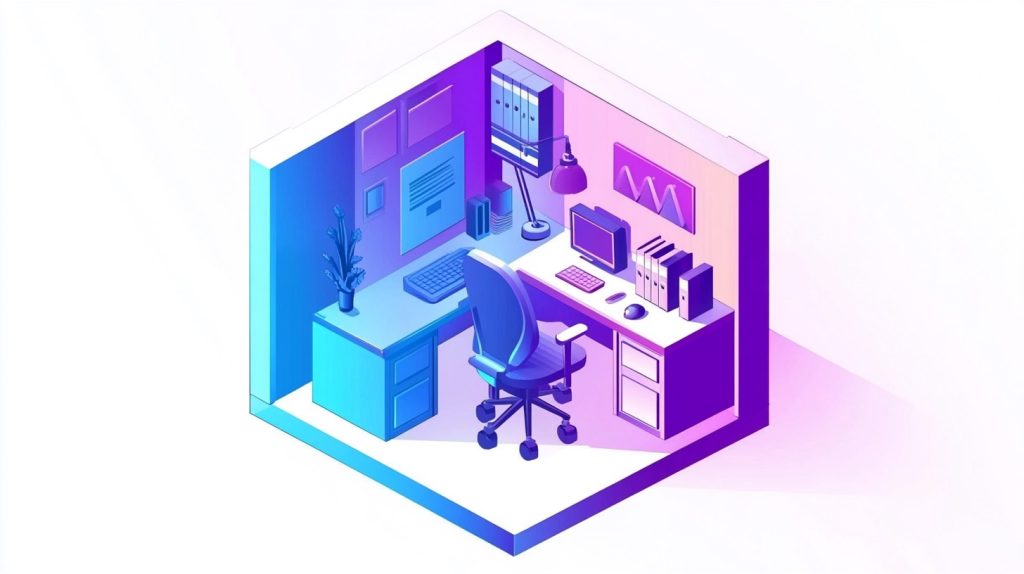
From Cubicles to Open Plans: What Office Layouts Will Dominate in 2025?
Office design trends are constantly evolving to meet the changing needs of businesses and employees. Over the years, workplaces have shifted from private offices to cubicles, then to open-plan spaces, and now toward more flexible, hybrid-friendly layouts. As we move into 2025, what office designs are making a comeback, and which are fading away? Let’s take a look at the trends shaping the future of workplace environments.
The Decline of the Traditional Open Office
Open office layouts gained popularity in the 2010s as a way to promote collaboration, but they have also faced criticism for creating distractions and reducing productivity. Employees in completely open workspaces often struggle with noise, lack of privacy, and difficulty focusing.
As a result, businesses are moving away from fully open layouts and opting for hybrid designs that offer both collaborative and private spaces. In 2025, the trend will be toward balance—offices that provide flexibility, choice, and adaptability for different work styles.
Office Layouts That Will Dominate in 2025
1. Activity-Based Workspaces
Instead of assigning employees to a single desk, activity-based workspaces allow workers to choose from a variety of settings based on their tasks. These offices feature:
- Quiet zones for focused work
- Collaboration spaces for team meetings
- Casual lounges for informal discussions
- Private booths for phone calls or deep concentration
This design maximizes flexibility and improves overall productivity by catering to different work styles.
2. Hybrid-Friendly Offices
With remote and hybrid work models here to stay, office layouts in 2025 will be designed to accommodate both in-person and virtual employees. Key features include:
- Hot-desking or hoteling systems for flexible seating
- Technology-integrated meeting rooms with high-quality video conferencing tools
- Collaboration hubs that support both remote and in-office teams
Hybrid offices help companies optimize space usage while ensuring all employees, regardless of location, stay connected.
3. The Resurgence of Private Workspaces
While open offices are declining, the demand for personal workspaces is rising. Businesses are reintroducing:
- Enclosed offices for executives and leadership
- Soundproof pods for individual focus work
- Partitioned desks that offer semi-private work areas
These spaces provide employees with more control over their work environment, reducing distractions and enhancing productivity.
4. Collaborative and Social Spaces
Instead of removing all open spaces, offices in 2025 will focus on designing intentional collaboration areas. These include:
- Casual lounge areas for brainstorming
- Standing meeting zones to encourage quick, efficient discussions
- Breakout spaces with comfortable seating
These areas foster teamwork while ensuring employees still have quiet zones for focused work.
5. Wellness-Centered Workspaces
Employee well-being is a top priority for companies redesigning their offices. Wellness-focused layouts include:
- Biophilic design elements such as plants, natural light, and sustainable materials
- Standing desks, like our high-quality sit and standing desks, to promote movement
- Quiet rooms or meditation spaces for mental health breaks
- Outdoor workspaces or rooftop lounges for fresh air and relaxation
These design choices help create a healthier and more engaging work environment.
What Office Trends Are Fading Away?
As businesses embrace flexibility and well-being, certain outdated office layouts are becoming less popular:
- Fully open-plan offices – Too many distractions and lack of privacy are leading to their decline.
- Traditional cubicles – While some partitioned workspaces are returning, the rigid, high-walled cubicle format is being replaced by more modern alternatives.
- Fixed desk assignments – Hot-desking and shared workspaces are becoming the norm, reducing the need for dedicated desks for every employee.
- Excessively large conference rooms – Smaller, tech-equipped meeting pods are replacing oversized boardrooms that are rarely used efficiently.
The Future of Office Design
As we look ahead to 2025, office layouts will prioritize flexibility, collaboration, and employee well-being. Hybrid-friendly spaces, activity-based work environments, and wellness-focused designs will lead the way, while traditional open offices and rigid cubicles will continue to decline.
Is your office ready for the future? Contact us at All Business Systems for expert advice and high-quality office furniture solutions that support modern workplace trends.