
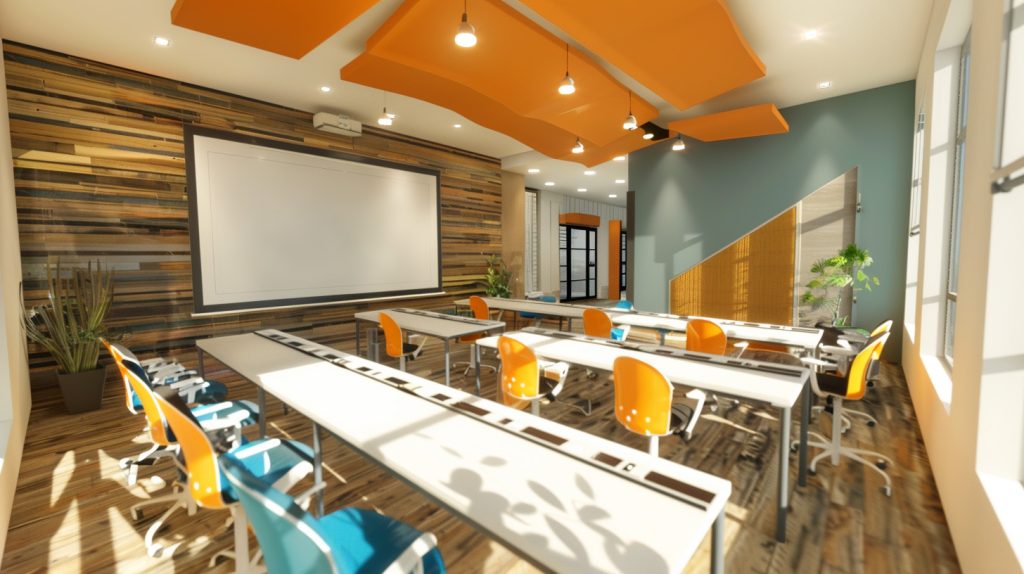
Furniture That Teaches: Creating Learning-Centric Workspaces
In today’s fast-paced professional world, continuous learning is no longer a luxury—it’s a necessity. Businesses that foster a culture of growth and skill development empower their employees to innovate, adapt, and succeed. A key factor in creating this culture lies in the workspace itself. By leveraging thoughtfully designed office furniture, organizations can facilitate both formal and informal learning opportunities, ensuring that their teams thrive in an environment optimized for development.
The Role of Furniture in Learning-Centric Workspaces
Modern learning-centric workspaces prioritize flexibility, technology integration, and collaboration. Furniture is more than just a backdrop in these settings—it plays a pivotal role in shaping how learning happens. From ergonomic designs that keep employees focused during training sessions to modular setups that adapt to diverse learning needs, the right furniture can make learning more engaging and effective.
Integrating Technology for Seamless Learning
Technology has revolutionized workplace learning, and office furniture must evolve to support this transformation. Desks and tables equipped with integrated digital displays, charging ports, and cable management systems make it easier to incorporate interactive presentations and e-learning modules into training sessions. Portable screens and smartboards allow teams to seamlessly switch between individual and group learning activities.
For organizations focused on upskilling their workforce, investing in furniture designed for tech integration ensures that digital tools are easily accessible, reducing distractions and maximizing productivity.
Supporting Collaboration Through Design
Collaboration is often at the heart of workplace learning, and furniture plays a vital role in fostering this dynamic. Collaborative learning pods, for example, are designed to encourage small-group discussions and brainstorming sessions. These pods typically feature comfortable seating, shared work surfaces, and acoustic panels to minimize distractions, creating a space where teams can focus and share ideas.
Modular furniture is another excellent choice for collaborative learning environments. With movable chairs, tables, and dividers, employees can quickly adapt the space to suit their needs, whether they’re working on a group project or attending a workshop.
Designing for Informal Learning Opportunities
Not all learning happens in structured training sessions. Informal learning—casual conversations, peer mentoring, and spontaneous idea sharing—plays a significant role in professional growth. Furniture that facilitates these moments is just as important as formal training setups.
Breakout areas with comfortable lounge chairs, high-top tables, and writable surfaces encourage impromptu discussions and creative problem-solving. Quiet zones with soundproof pods or cozy seating arrangements provide employees with spaces to reflect and absorb new information.
Balancing Comfort and Focus
Comfort is essential for learning. If employees are physically uncomfortable, their ability to concentrate and retain information diminishes. Ergonomic seating, height-adjustable desks, and well-designed conference tables create an environment where learners can stay engaged for extended periods without strain or fatigue.
However, comfort should not come at the expense of focus. Furniture should strike a balance, offering the right level of support while maintaining a professional atmosphere conducive to learning.
Investing in Flexible, Future-Proof Furniture
The needs of a learning-centric workspace are constantly evolving, especially as new technologies and training methods emerge. Furniture that adapts to change is a smart investment. Modular desks, stackable chairs, and reconfigurable tables ensure that the workspace can grow and change alongside your team’s learning needs.
Additionally, durable, high-quality materials ensure that your furniture will stand the test of time, making it a cost-effective choice for long-term learning initiatives.
Conclusion
Creating a learning-centric workspace requires more than just providing training programs—it requires an environment where learning is seamlessly integrated into daily work life. From tech-enabled desks to collaborative pods and ergonomic seating, the right furniture can transform your office into a hub of growth and innovation.
Ready to design a workspace that supports continuous learning? Contact us at All Business Systems for expert advice and high-quality furniture solutions tailored to your needs.