
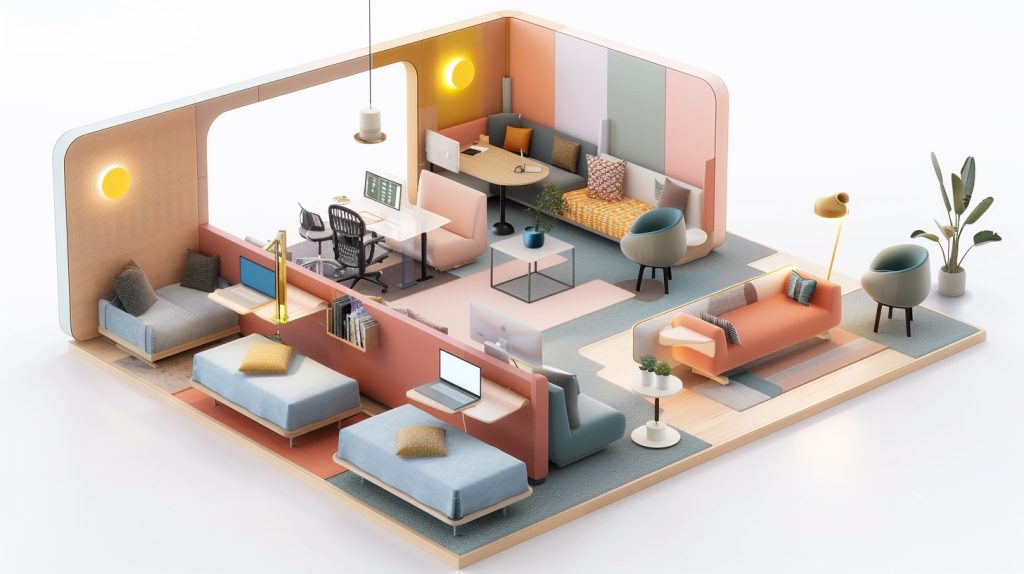
Hybrid Harmony: Furniture Solutions for the Blended Work Environment
The hybrid work model has become a cornerstone of modern business operations, blending in-office and remote work to offer flexibility and productivity. However, this shift comes with unique challenges, especially when it comes to designing workspaces that meet the needs of both remote and in-office employees. The right office furniture can play a pivotal role in achieving “hybrid harmony,” ensuring that blended work environments are efficient, comfortable, and collaborative.
Understanding the Blended Work Environment
In a hybrid work model, employees alternate between working from the office and working remotely. This setup requires workspaces that are not only versatile but also optimized for productivity, communication, and well-being. Furniture must accommodate diverse needs, from ergonomic home office setups to flexible office layouts that encourage collaboration and hot desking.
Key Furniture Considerations for Hybrid Workspaces
Ergonomics for All Settings
Whether employees are working at home or in the office, ergonomics is essential. Adjustable office chairs, sit-stand desks, and ergonomic accessories such as keyboard trays and monitor arms can reduce strain and improve comfort. Providing ergonomic solutions for both remote and in-office workers ensures everyone can work effectively.
Flexibility and Modularity
Hybrid offices require furniture that can adapt to changing needs. Modular desks, foldable tables, and mobile storage units allow for easy reconfiguration of spaces. For example, a conference room can double as a coworking area with movable partitions and modular seating options.
Technology Integration
Furniture that supports technology is crucial for hybrid work environments. Desks with built-in cable management, power outlets, and wireless charging stations ensure seamless connectivity. Video conferencing hubs with integrated AV equipment can enhance collaboration between remote and in-office teams.
Designing Home Workspaces for Productivity
For remote workers, creating a productive and comfortable workspace is vital. Compact yet functional furniture options are ideal for home offices, where space may be limited. Look for desks with built-in storage, multifunctional furniture, and ergonomic chairs designed for smaller settings.
Privacy and Focus
Privacy can be a challenge in home offices, especially in shared spaces. Solutions such as acoustic panels, privacy screens, or even small desk pods can help create a focused environment. These features are equally beneficial in open-plan office spaces where quiet zones are needed.
Collaborative Office Spaces for Hybrid Teams
Hot Desking Solutions
Hot desking—where employees use shared workstations on a rotational basis—is common in hybrid offices. Furniture for these setups should be versatile and easy to personalize. Adjustable desks, shared storage units, and task lighting allow employees to tailor the space to their needs.
Breakout Zones
Collaboration often thrives in informal settings. Breakout zones equipped with comfortable lounge chairs, coffee tables, and writable surfaces encourage spontaneous idea sharing. Modular seating can make these spaces adaptable for group discussions or individual use.
Meeting Rooms for Hybrid Collaboration
Meeting spaces must accommodate both in-person and virtual participants. Choose conference tables with integrated technology, such as microphones, cameras, and display screens. Consider adding flexible seating options to cater to various group sizes and layouts.
The Benefits of Hybrid-Friendly Furniture
Investing in the right furniture for a hybrid workplace offers numerous benefits:
- Enhanced Productivity: Ergonomic and functional furniture supports employee well-being and efficiency.
- Cost Efficiency: Flexible furniture solutions reduce the need for frequent replacements or dedicated spaces for each employee.
- Improved Collaboration: Thoughtfully designed spaces encourage teamwork and innovation, even in hybrid settings.
- Employee Satisfaction: Providing high-quality furniture demonstrates a commitment to employee comfort and success, boosting morale and retention.
Future-Proofing Your Hybrid Workspace
As hybrid work continues to evolve, so too will the furniture solutions that support it. Businesses should prioritize adaptability and quality, choosing furniture that can be reconfigured as needs change. Incorporating sustainable and durable materials further ensures that your investment remains valuable over time.
Creating a harmonious hybrid workspace requires thoughtful planning and the right furniture. Whether you’re outfitting a home office or redesigning your company’s layout, hybrid-friendly furniture is key to fostering productivity, collaboration, and well-being.
Ready to transform your workspace for the hybrid era? Contact us at All Business Systems for expert advice and premium furniture solutions tailored to your needs.