
Resolve to Sit Less: Creating a Movement-Friendly Office in 2026
The average office worker spends nearly 10 hours a day sitting, and research continues to show that prolonged sedentary behavior poses serious health risks regardless of how much you exercise outside work. As Northern Virginia and Washington DC businesses look to improve employee wellness and productivity in 2026, creating a movement-friendly office has become a top priority. The good news? Reducing workplace sitting goes far beyond simply adding standing desks to your floor plan.
Rethinking Your Office Layout for Natural Movement
The most effective movement-friendly offices are designed to encourage walking as part of the daily workflow. Consider positioning printers, supply stations, and break areas away from primary workstations rather than within arm’s reach. This simple change can add hundreds of steps to each employee’s day without disrupting productivity.
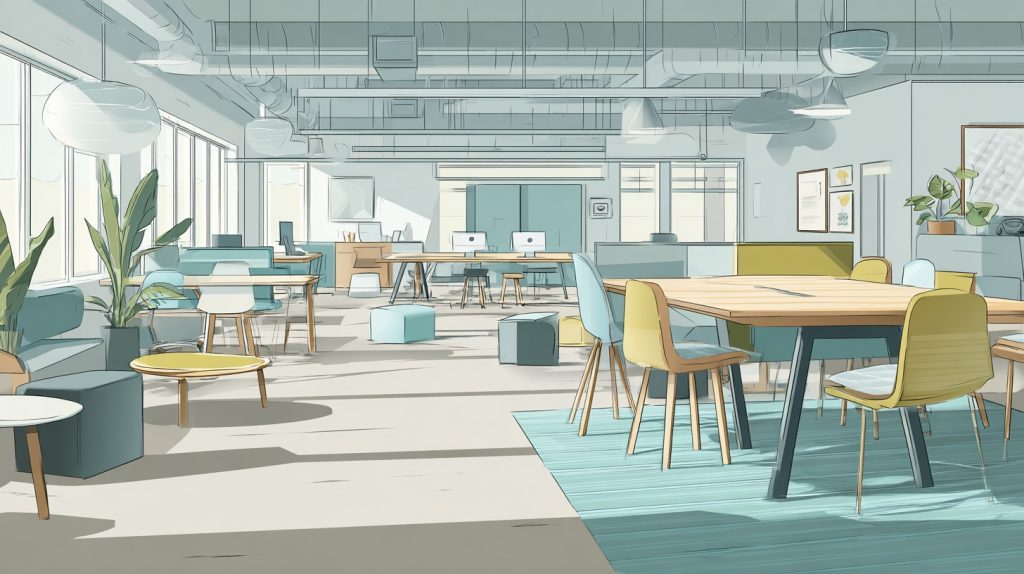
Open floor plans with strategically placed collaborative zones encourage employees to walk to different areas for various tasks. Many DC metro companies are now creating “neighborhoods” within their offices, where team members naturally move between focused work areas, meeting spaces, and social zones throughout the day.
Walking Meeting Furniture and Spaces
Walking meetings have gained tremendous popularity, and smart businesses are investing in furniture that supports this trend. Portable standing tables and mobile whiteboards allow teams to conduct productive meetings while staying on their feet. For outdoor-accessible offices in the Northern Virginia area, weather-protected walkways with built-in standing desks create ideal spaces for walking one-on-ones during temperate months.
Indoor walking tracks may seem ambitious, but many larger corporate campuses in the DC metro region have installed perimeter walking paths with periodic standing workstations. Even smaller offices can designate hallway meeting routes with wall-mounted display screens for walking presentations.
The Rise of Perching Stools and Active Seating
Between sitting and standing lies perching, a posture that engages core muscles while reducing leg fatigue. Perching stools and saddle chairs have become essential additions to movement-friendly offices. These allow employees to rest briefly while maintaining an active posture that keeps blood flowing and muscles engaged.
Balance boards and wobble cushions transform standard standing desk setups into active workstations. When paired with quality standing desks from All Business Systems, these accessories create dynamic workstations that make movement the default rather than the exception.
Micro-Movement Zones and Activity Corners
Forward-thinking offices now include designated micro-movement zones where employees can stretch, do light exercises, or simply stand and move for a few minutes. These don’t require expensive gym equipment. A simple area with a yoga mat, resistance bands, and a foam roller encourages regular movement breaks.
Activity corners near common areas normalize taking brief exercise breaks. When employees see colleagues stretching or doing desk exercises, it creates a culture where movement is expected and encouraged rather than unusual.
Technology That Prompts Movement
Smart office solutions can remind employees to move throughout the day. Height-adjustable desks with programmable settings encourage users to alternate between sitting and standing. Many modern desk systems include apps that track position changes and send gentle reminders when someone has been sedentary too long.
Booking systems that require walking to different meeting rooms and hot-desking arrangements that vary seating locations also increase daily movement. These technological nudges help employees build movement habits without conscious effort.
Building a Movement Culture in Your DC Metro Office
Furniture and layout changes work best when supported by company culture. Encourage walking meetings as the default for small groups. Celebrate teams that consistently use standing desks and active seating. Consider step challenges or movement goals that make staying active a shared team objective.
For Northern Virginia businesses competing for top talent, a movement-friendly office signals that you value employee health and understand modern workplace wellness. It’s an investment that pays dividends in reduced healthcare costs, improved energy levels, and better employee retention.
Ready to transform your workplace into a movement-friendly environment? Contact us at All Business Systems for expert guidance on standing desks, active seating, and complete office furniture solutions that keep your team healthy and productive.