
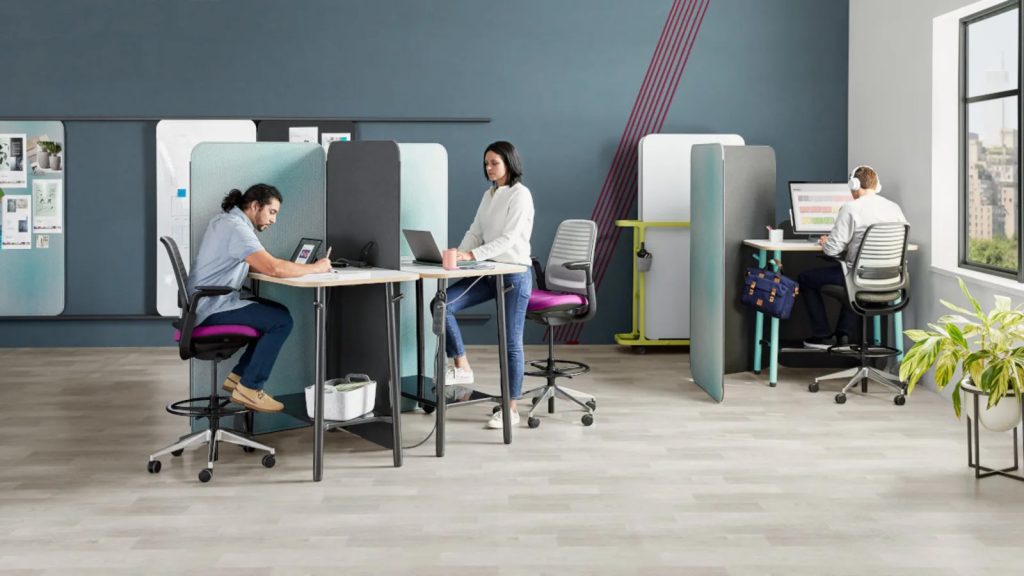
Standing Desks vs. Traditional Desks: Which One Is Right for Your Office?
Choosing the right office desk setup is essential for productivity, comfort, and employee well-being. With the rise of ergonomic solutions, many businesses are debating between standing desks and traditional desks. Each option has its advantages, and the best choice depends on your team’s needs, work habits, and office environment.
The Benefits of Standing Desks
Standing desks have gained popularity for their potential health benefits and flexibility. Here are some key advantages:
Improved Health and Wellness
Prolonged sitting has been linked to various health issues, including back pain, obesity, and cardiovascular problems. Standing desks encourage movement throughout the day, reducing the risks associated with sedentary work.
Increased Energy and Productivity
Many employees report feeling more energized when using standing desks. The ability to shift between sitting and standing can help reduce fatigue and improve focus, leading to greater productivity.
Better Posture
Standing desks promote better spinal alignment and reduce strain on the neck and shoulders. When paired with an ergonomic chair or anti-fatigue mat, they can significantly improve posture.
Flexibility and Customization
Modern standing desks, such as the high-quality sit-stand desks offered by All Business Systems, allow users to easily switch between sitting and standing positions. This adaptability ensures a comfortable and dynamic work environment.
The Benefits of Traditional Desks
While standing desks have their perks, traditional desks remain a popular choice for many offices. Here’s why:
Comfort and Familiarity
Traditional desks provide a stable and familiar work setup. Many employees are accustomed to working in a seated position, making it easier to maintain focus without adjusting to a new routine.
Cost-Effective Solution
Standard desks tend to be more affordable than height-adjustable standing desks. If your office has budget constraints, investing in ergonomic chairs and desk accessories can enhance comfort while keeping costs manageable.
Suitable for Certain Tasks
Jobs that require detailed writing, drafting, or long periods of computer work may be more comfortable with a traditional desk setup. Sitting provides a steady surface for tasks that demand precision and fine motor skills.
Wide Variety of Styles
Traditional desks come in a range of styles, materials, and designs to fit any office aesthetic. Whether you prefer modern, minimalist, or classic executive desks, there are plenty of options available.
Which Desk is Right for Your Office?
The best choice depends on your team’s work habits and office culture. Here are a few factors to consider:
- Employee Preferences: Some workers thrive with the movement a standing desk provides, while others prefer a seated setup.
- Type of Work: Creative and collaborative tasks may benefit from standing desks, while roles requiring long hours of focused work may favor traditional desks.
- Office Space: Standing desks require enough room for movement, while traditional desks can be more space-efficient.
- Budget: If cost is a concern, a combination of traditional desks with ergonomic accessories can be a great alternative.
Final Thoughts
Both standing desks and traditional desks have their advantages. Many offices find that a hybrid approach—offering both types of workstations—works best. If you’re looking to upgrade your office with high-quality desks, including ergonomic sit-stand options, contact All Business Systems for expert guidance and premium office furniture solutions.