
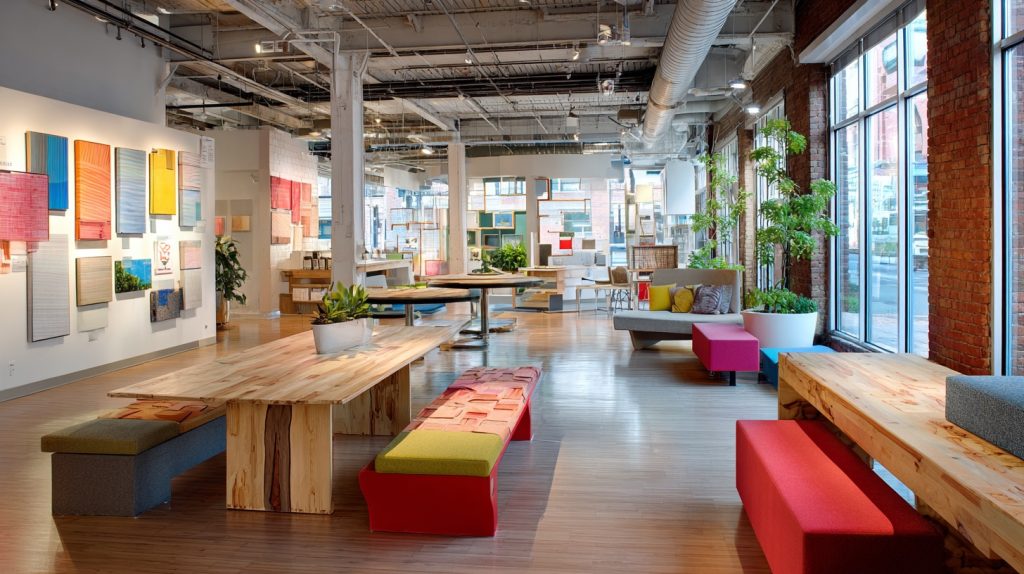
The Creative Agency Office: Furniture That Inspires Innovation
The Creative Workspace Paradox
Creative agencies face a unique challenge in office furniture selection: their workspace must inspire innovative thinking while supporting practical business operations. Unlike other industries where functionality takes precedence, creative firms need environments that stimulate imagination, facilitate collaboration, and impress clients who expect visual evidence of creative capabilities.
The office itself becomes part of the agency’s portfolio, demonstrating design sensibility and creative problem-solving abilities to potential clients. This dual purpose—functional workspace and creative showcase—requires thoughtful furniture selection that balances aesthetic inspiration with practical productivity needs.
Balancing Aesthetics with Functionality
Creative agencies often gravitate toward visually striking furniture that may sacrifice ergonomic comfort or practical functionality. The challenge lies in finding pieces that satisfy both aesthetic ambitions and the reality of long work hours, client presentations, and daily operational needs.
Successful creative spaces achieve this balance through careful selection of furniture that performs multiple roles. A beautifully designed conference table must accommodate both brainstorming sessions and formal client presentations, while artistic task chairs need to provide adequate support during intensive design work.
Material selection becomes crucial in creative environments where visual impact matters. Natural materials like wood and stone provide tactile inspiration, while modern materials like glass and metal can suggest innovation and forward-thinking approaches to design challenges.
For creative teams that value flexibility and wellness, incorporating All Business Systems’ standing desks provides the movement options that can stimulate creative thinking while supporting long design sessions.
Supporting Creative Work Processes
Creative work involves varied activities that require different spatial and furniture configurations. Conceptual thinking might benefit from comfortable lounge seating, while detailed design work requires precise ergonomic support. Collaborative brainstorming needs open, flexible arrangements, while focused individual work requires privacy and concentration support.
Flexibility becomes essential in creative workspace furniture. Modular systems, mobile components, and easily reconfigurable arrangements allow creative teams to adapt their environment to match current project needs. This adaptability supports the iterative nature of creative processes.
Storage solutions in creative agencies must accommodate both digital and physical materials. Artwork, samples, reference materials, and client deliverables require secure, accessible storage that doesn’t compromise the visual appeal of the workspace.
Client Impression Management
Creative agency offices serve as powerful marketing tools, with furniture choices contributing to client perceptions of creative capability and professional competence. Clients expect to see evidence of good design judgment in the agency’s own space, making furniture selection a strategic business decision.
Reception and meeting areas receive particular scrutiny from clients and prospects. These spaces need furniture that projects creativity and innovation while maintaining the professionalism necessary for business discussions and contract negotiations.
The furniture should tell a story about the agency’s design philosophy and creative approach. Consistent themes, thoughtful color coordination, and attention to detail demonstrate the same care and consideration that clients expect in their own projects.
Creating Environments That Inspire Innovation
Research in environmental psychology suggests that physical surroundings significantly impact creative thinking and problem-solving abilities. Furniture selection can either enhance or inhibit the cognitive processes essential to creative work.
Color psychology plays a role in creative workspace design. Vibrant colors can stimulate energy and idea generation, while calmer tones support focused concentration work. The key is providing variety within the workspace to support different types of creative activities.
Comfort levels must be carefully calibrated in creative environments. While some creative work benefits from relaxed, comfortable seating that encourages free-thinking, other activities require more structured support that maintains focus and energy levels.
Technology Integration for Modern Creative Work
Contemporary creative work relies heavily on digital tools, requiring furniture that seamlessly integrates technology without compromising aesthetic goals. Cable management, device charging, and equipment storage become critical functional requirements disguised within beautiful design.
Collaboration technology integration requires furniture that supports both traditional in-person creative sessions and hybrid collaboration with remote team members or clients. Surfaces must accommodate both sketching materials and digital presentation equipment.
The rapid evolution of creative technology tools requires furniture solutions that can adapt to new equipment and changing work processes without major space reconfigurations or furniture replacement.
Ready to create an inspiring creative workspace? Contact us at All Business Systems for expert guidance on furniture solutions that support innovation while impressing clients and inspiring your creative team.