
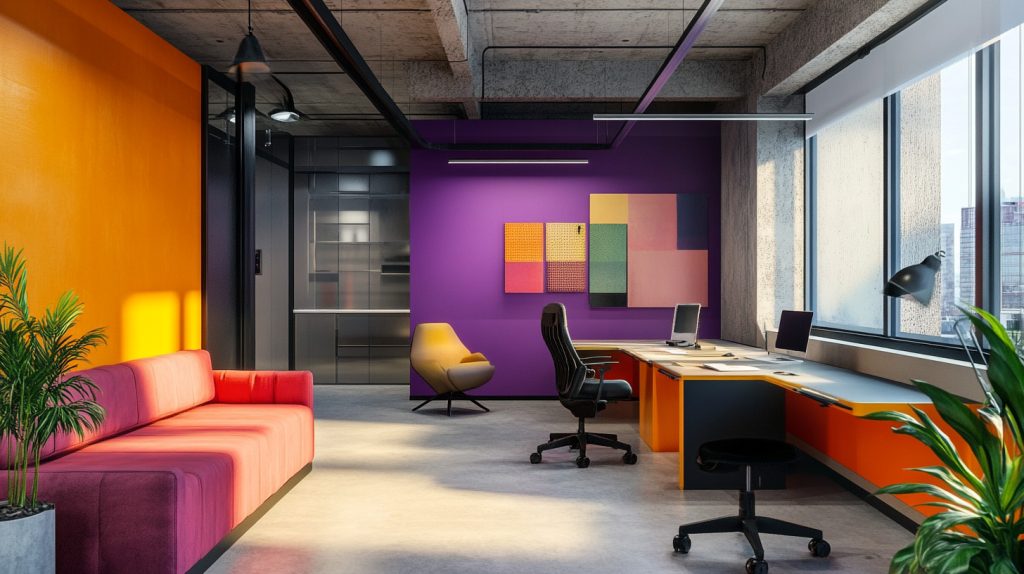
The Return of Privacy: Redesigning Open Offices with Personal Space in Mind
In recent years, the open office concept became the dominant trend in workplace design, with companies embracing the idea of large, shared spaces meant to encourage collaboration. However, as time has passed, both employers and employees have realized that this design can come at a cost—namely, a lack of privacy, focus, and personal space. As a result, there’s been a noticeable shift towards redesigning open offices to better balance collaboration and privacy, allowing workers to enjoy the best of both worlds.
Why Open Offices Are Being Reevaluated
While open office layouts promised to boost creativity and communication, they also brought along some unintended consequences. Many employees found it difficult to focus in the midst of constant noise, visual distractions, and interruptions. According to studies, productivity often takes a hit in open office environments, as the lack of personal space can lead to higher stress levels, frequent distractions, and a loss of focus.
Moreover, in the post-pandemic world, health and hygiene concerns have increased the demand for individual spaces. Employees now value areas where they can work undisturbed, both for concentration and personal safety. As a result, many companies are looking for ways to preserve the collaborative benefits of open offices while addressing the need for greater privacy and personal space.
Furniture Solutions That Offer Privacy Without Sacrificing Collaboration
To solve the privacy dilemma, innovative furniture designs are emerging that help create personal space without completely eliminating the open office feel. Here are some of the top solutions that are shaping the modern office:
Acoustic Pods and Privacy Booths
Acoustic pods and privacy booths are standalone structures that can be easily installed within an open office. These compact, soundproof spaces provide employees with a quiet place to work or take phone calls without distractions. While they offer privacy, their transparent or semi-transparent walls keep them visually open, maintaining the office’s collaborative atmosphere.
Desk Dividers and Screens
Desk dividers and privacy screens are a simple yet effective solution to the privacy issue. By adding low-profile screens between workstations, employees can enjoy their own personal space while still feeling connected to their team. These dividers also help reduce noise levels and create visual boundaries, making it easier for workers to concentrate.
Modular Workstations
Modular furniture allows companies to reconfigure their office layouts as needed, making it possible to create spaces that adapt to changing work styles. Modular workstations can be arranged to give employees more privacy while still fostering a collaborative environment. With movable panels and adjustable layouts, these stations can create personal areas for focused work without isolating individuals from the rest of the team.
Personalized Zones
Another emerging trend is the creation of personalized zones within an open office. By designating certain areas as quiet zones or focused workspaces, companies can give employees more control over their environment. These zones can feature a mix of enclosed workspaces, soft seating, and collaborative tables, allowing people to choose the setting that best suits their task.
Striking the Balance Between Privacy and Collaboration
The challenge for companies today is finding the right balance between privacy and collaboration. While it’s important to offer quiet spaces for focused work, the value of team collaboration remains high. Open offices don’t need to be entirely abandoned; instead, they should be thoughtfully redesigned to meet the diverse needs of modern employees.
Designers and companies are increasingly opting for hybrid office layouts, where both open and private spaces coexist. These layouts often include a variety of workstations, collaboration areas, and quiet zones that employees can choose from based on their task at hand. This flexibility helps maintain the productivity and creativity that open offices originally promised, while also addressing the need for privacy and personal space.
The Future of Office Design
As businesses continue to adapt to the evolving needs of their workforce, office design will increasingly prioritize flexibility and employee well-being. The return of privacy in office layouts reflects a growing understanding that one-size-fits-all solutions don’t work for everyone. By integrating furniture that provides personal space without sacrificing collaboration, companies can create a balanced and dynamic work environment that supports both productivity and teamwork.
Ready to upgrade your office furniture? Contact us at All Business Systems for expert advice and top-quality solutions.