
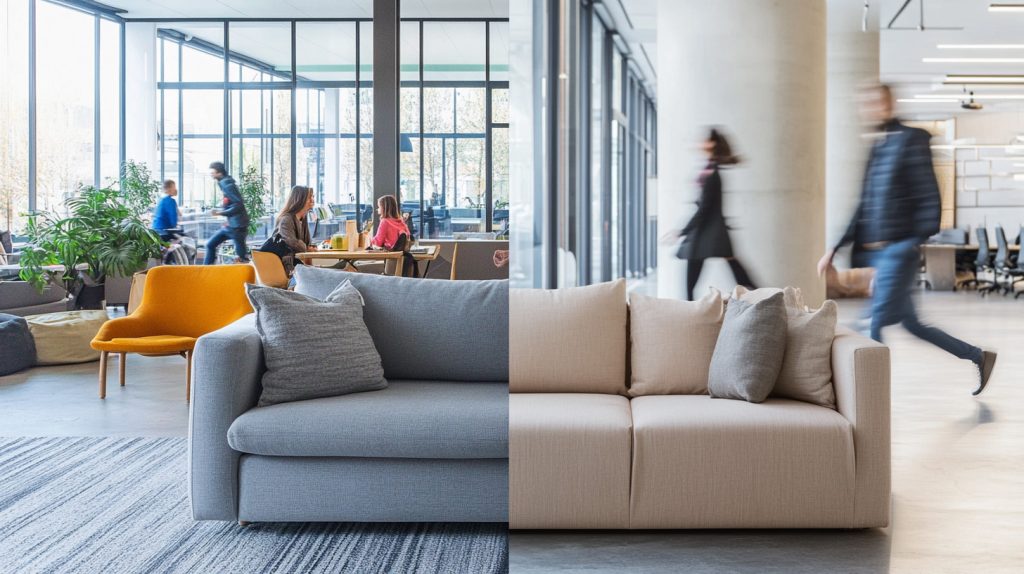
The Rise of Resimercial Furniture: Blending Home Comfort with Office Functionality
In recent years, the workplace has undergone a significant transformation. The rigid, formal office designs of the past are being replaced with more flexible, welcoming environments. A key factor driving this change is the rise of **resimercial furniture**—a hybrid of residential and commercial furniture that marries the comfort of home with the functionality of a traditional office. This emerging trend reflects not only the shifting preferences of employees but also the evolving needs of modern businesses that prioritize creativity, collaboration, and employee well-being.
What Is Resimercial Furniture?
The term “resimercial” is a fusion of the words “residential” and “commercial,” and it perfectly encapsulates this style of furniture. Resimercial furniture brings the look and feel of home into the workplace, creating spaces that encourage relaxation and creativity while maintaining the professional standards required for office productivity.
Think of cozy lounge chairs, plush sofas, or wooden coffee tables replacing the stiff chairs and metal desks that once defined office interiors. While this type of furniture may resemble what you’d find in a living room, it’s specifically designed to withstand the rigors of daily office use. This balance of **comfort and durability** is what makes resimercial furniture ideal for the modern workplace.
The Evolution of the Workplace: From Cubicles to Comfort
For decades, office spaces were dominated by cubicles, fluorescent lighting, and impersonal furniture that placed function over form. However, as the workforce evolved—especially with the rise of the tech industry—so did the concept of what an office should be. Companies like Google and Apple pioneered the shift toward more creative, open office environments that fostered collaboration and innovation.
This evolution further accelerated with the COVID-19 pandemic, as millions of employees began working from home. As workers experienced the benefits of a more relaxed, flexible environment, it became clear that traditional offices needed a refresh. Now, as many employees return to in-office or hybrid work arrangements, they expect a workspace that feels more like home.
Resimercial design emerged as a response to these changing expectations. **Comfort, versatility, and a sense of well-being** are now integral to office design, which is where resimercial furniture steps in to meet these new demands.
Benefits of Resimercial Furniture
The rise of resimercial furniture isn’t just about aesthetic preferences—it also delivers a host of practical benefits that appeal to both employers and employees. Let’s explore the primary advantages of incorporating resimercial furniture into modern office environments:
1. Increased Employee Comfort and Satisfaction
Employees spend a significant portion of their day in the office, so comfort is crucial for maintaining productivity and morale. Traditional office furniture can feel cold and sterile, often contributing to physical discomfort or mental fatigue. By introducing more comfortable, residential-style furniture, businesses create environments where employees feel more at ease. This, in turn, enhances focus, creativity, and overall job satisfaction.
In a resimercial office, employees can choose where and how they work—whether it’s lounging on a sofa for a brainstorming session or sitting at a traditional desk for more focused tasks. This **variety of seating options** empowers employees to find the setup that works best for them, further enhancing their comfort and engagement.
2. Encourages Collaboration and Communication
One of the major drivers behind the resimercial trend is the growing emphasis on **collaboration** in the workplace. Open office plans with communal spaces, coffee tables, and lounge areas create a more informal setting that encourages spontaneous conversations and team collaboration. In these relaxed environments, employees may feel more comfortable sharing ideas, problem-solving, or brainstorming, which can lead to increased innovation and productivity.
With resimercial furniture, office spaces feel less like formal workstations and more like cozy living rooms, where collaboration can happen naturally and informally.
3. Enhances Well-Being and Reduces Stress
The atmosphere of an office can have a significant impact on an employee’s mental and emotional well-being. Traditional, impersonal office designs can create a sense of detachment or even increase stress levels. On the other hand, resimercial furniture, with its warm, inviting elements, helps to reduce stress by making the office feel more like home.
Natural materials like wood, soft textiles, and neutral colors all contribute to a calming atmosphere, fostering **mental well-being** and relaxation. These design choices are essential as companies recognize the importance of employee wellness in driving both individual and organizational success.
4. Supports Flexibility and Versatile Workspaces
The rise of flexible work arrangements has also contributed to the popularity of resimercial design. With more employees splitting their time between home and office, the modern workspace needs to be adaptable. Resimercial furniture is often modular and versatile, allowing companies to reconfigure spaces easily based on their needs.
Whether it’s setting up a quick meeting area, a quiet space for individual work, or a lounge area for relaxation, resimercial pieces are designed for **multi-functional use**. This flexibility makes them ideal for dynamic work environments where the focus can shift from collaboration to individual tasks throughout the day.
Designing with Resimercial Furniture: Key Elements
To successfully implement resimercial furniture in the workplace, certain design principles should be considered. Here are some key elements that define resimercial design:
1. Soft Textures and Fabrics
Unlike the rigid materials often found in traditional office furniture, resimercial furniture incorporates softer fabrics and textiles, such as wool, cotton, and leather. These materials bring warmth and comfort to the space while remaining durable enough for daily office use.
2. Natural Materials
Wood, stone, and other natural materials are central to resimercial design. These elements add a touch of nature to the office, helping to create a more grounded, calming environment. Additionally, natural materials tend to age well, adding character to the workspace over time.
3. Residential-Inspired Furniture
The furniture itself often mimics pieces found in homes, such as coffee tables, ottomans, and sectional sofas. These pieces create a more laid-back atmosphere where employees can unwind or engage in informal discussions.
4. Flexible and Modular Pieces
Versatility is key in resimercial design. Modular furniture that can be easily reconfigured allows offices to adapt to different tasks and team needs. For example, a set of lounge chairs can be arranged for a small meeting or spaced apart for individual work.
5. Warm, Neutral Color Palettes
While traditional office spaces often feature stark whites, blacks, or grays, resimercial spaces lean towards **warmer, neutral tones** like beige, soft gray, and earth tones. These colors help soften the space, making it more inviting and less intimidating.
Resimercial Furniture in Different Workspaces
The beauty of resimercial furniture is its versatility, making it suitable for a variety of workspaces. Here are some common office areas where resimercial pieces can have a significant impact:
1. Breakout Areas and Lounges
Breakout areas designed with resimercial furniture encourage employees to step away from their desks and recharge. Comfortable seating like armchairs, sofas, and coffee tables fosters a homey atmosphere where employees can unwind or have casual conversations.
2. Meeting Rooms
Meeting rooms can benefit from a more relaxed design approach, moving away from the traditional boardroom setup. Incorporating resimercial elements—like soft seating, ottomans, or small sofas—creates a more welcoming space that encourages open dialogue and creativity.
3. Workstations
Even in more formal workspaces, resimercial furniture can be integrated through ergonomic chairs that prioritize comfort and style or desks with warm wood finishes. The goal is to make the workstation feel less like a sterile, corporate environment and more like a personal, comfortable space.
The Future of Resimercial Furniture
As businesses continue to prioritize employee well-being and flexibility, resimercial furniture is poised to play an even more significant role in office design. The blending of home comforts with office functionality reflects the broader cultural shift towards more human-centric work environments.
In the future, we can expect resimercial design to evolve alongside trends in remote and hybrid work. As employees spend time both at home and in the office, the lines between these spaces will blur even further, creating workplaces that are not only more comfortable but also more adaptable to the diverse needs of modern workers.
Conclusion
Resimercial furniture represents a profound shift in office design, blending the comfort and warmth of home with the practical needs of a professional workspace. By adopting this style, companies can create environments that enhance employee comfort, encourage collaboration, and support well-being—all while maintaining a flexible, functional office.
Ready to upgrade your office furniture? Contact us at All Business Systems for expert advice and top-quality solutions.