
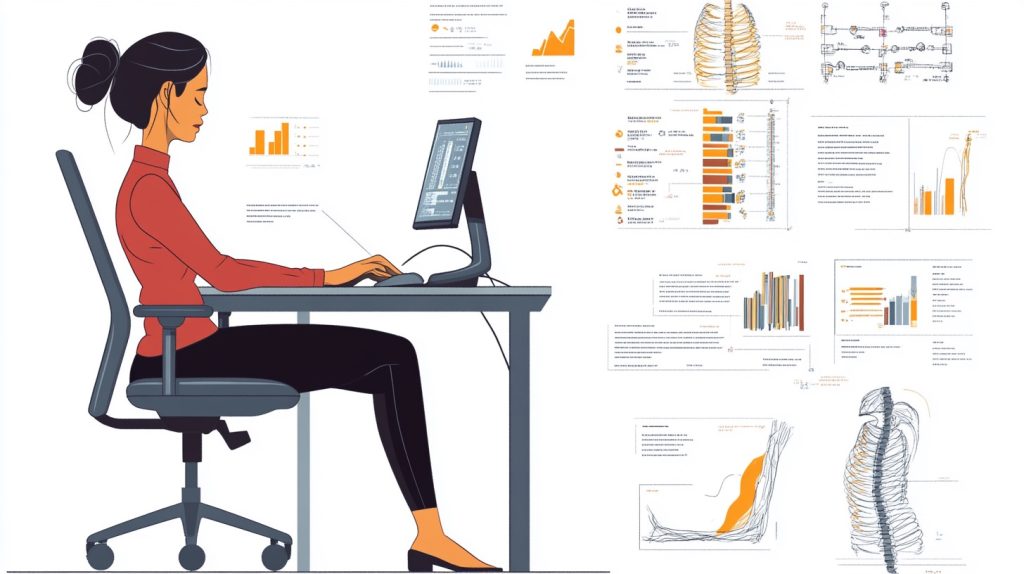
The Science of Seating: Understanding Office Chair Biomechanics
Choosing the right office chair is more than a matter of aesthetics or comfort. Science shows that optimal seating design can directly impact health, productivity, and long-term wellness. In this article, we’ll explore the biomechanics behind ergonomic office chair design and how scientific principles like spinal alignment, pressure distribution, and movement patterns influence seating choices. Understanding these elements will help you make informed decisions for a healthier, more productive workspace.
Spinal Alignment: The Foundation of Ergonomic Seating
At the core of ergonomic chair design is spinal alignment, which is crucial for reducing strain and preventing musculoskeletal issues. According to physical therapists, the human spine naturally forms an S-curve, and an ideal office chair should support this shape. When sitting for extended periods, chairs without proper lumbar support can encourage slouching, which leads to a flattened or even reversed spinal curve. Over time, this poor posture can cause back pain, muscle fatigue, and even chronic conditions such as herniated discs.
Ergonomics researchers emphasize that adjustable lumbar support is essential in a quality office chair. It should be positioned to fit the natural curve of the lower back, allowing the spine to retain its healthy curvature. This spinal alignment minimizes the compressive forces on intervertebral discs and reduces strain on back muscles, helping users maintain comfort throughout their workday.
Pressure Distribution: Balancing Support and Comfort
Another critical aspect of office chair biomechanics is pressure distribution. Sitting in one position for long periods creates areas of high pressure, especially on the tailbone, hips, and thighs. Over time, this pressure can reduce blood flow to these areas, leading to discomfort, numbness, and even nerve damage.
Quality ergonomic chairs are designed with materials and padding that help distribute weight evenly across the seat. Experts recommend chairs with a waterfall-edge design—a gentle downward curve at the front of the seat. This feature helps reduce pressure on the backs of the thighs and promotes better circulation. Additionally, a seat pan with an adjustable depth allows users to position their thighs correctly, ensuring that only minimal pressure is placed on the sit bones and thighs, which can prevent soreness and improve overall comfort.
Movement Patterns: Encouraging Dynamic Seating
Sitting still for prolonged periods can lead to muscle fatigue and stiffness. Research in ergonomics suggests that dynamic seating—chairs that allow users to shift and adjust their posture—promotes circulation, reduces fatigue, and improves focus. This principle is based on the fact that small, regular movements stimulate blood flow and encourage muscle activity, which prevents the body from falling into static, unhealthy postures.
To facilitate movement, ergonomic chairs often incorporate features such as reclining backrests and adjustable tilt mechanisms. Reclining slightly can help reduce pressure on the spine and shift the load to different muscle groups, preventing stiffness. Some advanced ergonomic chairs also allow for synchronous movement, meaning that the seat and backrest adjust in harmony as you recline. These types of chairs support dynamic seating, making it easier for users to stay active even while sitting.
The Role of Experts in Ergonomic Chair Design
Many of the innovations in ergonomic chair design stem from insights shared by physical therapists, ergonomics researchers, and biomechanics experts. For example, Dr. Alan Hedge, a well-known researcher in ergonomics, has shown through studies that small adjustments in chair settings—like seat height, backrest angle, and lumbar support positioning—can have a significant impact on user comfort and posture.
Ergonomics professionals recommend choosing chairs that offer multiple points of adjustability. Height-adjustable seats, armrests, backrests, and lumbar support all contribute to a customizable sitting experience that supports healthy movement patterns. Physical therapists also encourage users to vary their seating positions frequently and take breaks to stand or stretch to minimize the risk of repetitive strain.
Choosing an Ergonomic Chair for Your Office
Investing in an ergonomic chair is a step toward a healthier, more productive work environment. When selecting an office chair, look for features like adjustable lumbar support, seat depth, a reclining mechanism, and proper cushioning. Test different settings to ensure the chair provides sufficient spinal support, evenly distributes pressure, and allows movement.
Understanding the science of seating and biomechanics can make a significant difference in your day-to-day comfort and long-term well-being. By choosing an ergonomic chair that aligns with your body’s natural movements and supports your posture, you can work more comfortably and prevent future health issues associated with prolonged sitting.
Ready to upgrade your office chair? Contact us at All Business Systems for expert advice and top-quality solutions tailored to your needs.