
Why D.C. Law Firms Are Ditching Traditional Mahogany for Modern Office Furniture
Walk into any prestigious law firm on K Street today, and you might be surprised by what you see. Gone are the days when imposing mahogany desks and heavy leather furniture were the only acceptable choices for legal professionals. Across the Washington DC metro area—from downtown DC to Arlington and Sterling—forward-thinking law firms are embracing modern office furniture that better reflects today’s legal practice.
The Traditional Law Office: A Relic of the Past
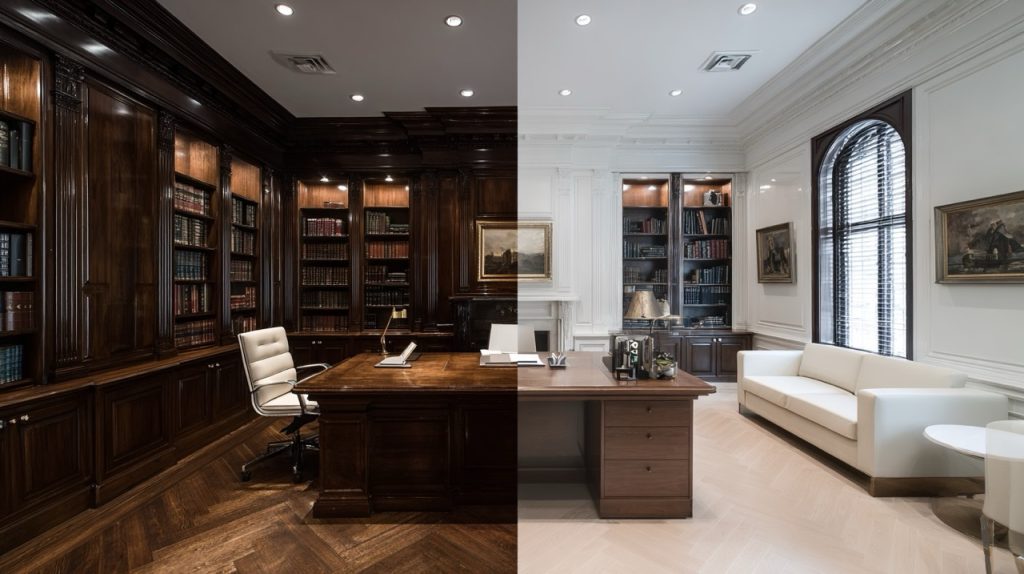
For decades, the legal profession clung to a specific aesthetic: dark mahogany furniture, floor-to-ceiling bookcases filled with law volumes, and heavy conference tables that seemed to weigh as much as the cases they discussed. This traditional style was meant to convey authority, permanence, and trustworthiness.
However, the modern legal landscape has evolved dramatically. Today’s clients—particularly younger general counsel and corporate decision-makers—view these traditional spaces differently. Rather than projecting confidence, overly formal environments can feel outdated and disconnected from contemporary business practices. Law firms throughout the DC metro area have recognized this shift and are responding accordingly.
Why DC Law Firms Are Making the Change
Several factors are driving the transition away from traditional mahogany furniture in Washington’s legal community. First, the nature of legal work has fundamentally changed. Digital research has largely replaced physical law libraries, making massive bookcases unnecessary. Collaborative work has become increasingly important, requiring flexible spaces rather than rigid, hierarchical layouts.
Second, the competition for top legal talent has intensified. Millennial and Gen Z attorneys—who now make up a significant portion of the profession—expect workspaces that support their wellbeing and productivity. Heavy, dark furniture in cramped offices doesn’t align with their preferences for natural light, ergonomic design, and adaptable spaces.
Third, client expectations have evolved. Corporate clients who work in modern, collaborative environments want their legal counsel to reflect similar values. A sleek, contemporary office suggests innovation, efficiency, and forward-thinking—qualities that resonate with today’s business leaders.
Modern Furniture Trends Replacing the Mahogany Standard
So what’s replacing the traditional mahogany desk? Contemporary law firms throughout the DC metro area are embracing several key furniture trends that balance professionalism with modern functionality.
Light-colored woods and mixed materials have become increasingly popular. Blonde oak, walnut with lighter stains, and combinations of wood with metal or glass create a sophisticated appearance without the heaviness of traditional mahogany. These materials bring warmth to the office while allowing for better light distribution throughout the space.
Modular and flexible furniture systems are another major trend. Rather than permanent, built-in furnishings, law firms are choosing pieces that can be reconfigured as needs change. This adaptability is particularly valuable for firms that frequently reorganize teams or need to accommodate different types of work.
Ergonomic solutions have moved from nice-to-have to essential. Quality standing desks, in particular, have become standard equipment in progressive law firms. These adjustable workstations support attorney health during long document review sessions and client consultations. When considering desk options for your legal environment, exploring All Business Systems’ quality standing desks can provide the ergonomic support your attorneys need without sacrificing the professional appearance your firm requires.
The Impact on Law Firm Culture and Productivity
The shift toward modern office furniture has created measurable benefits beyond aesthetics. Law firms report improved attorney satisfaction and reduced complaints about physical discomfort. Younger associates, in particular, appreciate workspaces that acknowledge the physical demands of long hours spent reviewing documents and preparing cases.
Collaborative work has also improved. Modern conference rooms with flexible seating arrangements and integrated technology support the team-based approach that complex litigation and corporate transactions often require. Rather than everyone sitting around a massive mahogany table, teams can arrange furniture to suit specific working styles and meeting needs.
Client impressions have shifted positively as well. While some older clients initially expressed surprise at the contemporary aesthetic, most quickly appreciate the professionalism combined with comfort. The modern approach signals that the firm invests in quality and stays current—attributes that translate well to legal representation.
Balancing Tradition with Innovation in Legal Spaces
Importantly, the move away from traditional mahogany doesn’t mean abandoning professionalism or gravitas. The most successful office redesigns in DC-area law firms maintain a sense of authority while embracing contemporary design principles.
Many firms achieve this balance by preserving traditional elements in client-facing areas like reception and main conference rooms while modernizing attorney workspaces and collaborative areas. Others choose contemporary furniture in rich, sophisticated colors that provide visual warmth without the weight of traditional dark woods.
The key is intentionality. Every furniture choice should reflect the firm’s values and serve the practical needs of legal work. Quality remains paramount—clients can distinguish between truly well-made contemporary furniture and cheap imitations just as easily as they could with traditional pieces.
Considerations for Law Firms Making the Transition
For law firms in the DC metro area considering a move toward modern furniture, several factors deserve careful attention. Budget planning should account not just for initial furniture costs but for the long-term value of quality pieces that will serve the firm for years to come.
Space planning becomes more important with modern, flexible furniture. Working with experts who understand both legal workflows and contemporary design ensures that new furniture truly enhances rather than disrupts daily operations.
Change management shouldn’t be overlooked. Partners who have worked in traditional environments for decades may need time to adjust to new aesthetics. Involving stakeholders in the selection process and clearly communicating the strategic reasons for changes can smooth the transition considerably.
The Future of Law Firm Design in the DC Area
The trend away from traditional mahogany shows no signs of reversing. As hybrid work models become permanent fixtures in legal practice, law firms need furniture that supports both in-office collaboration and focused individual work. Modern office furniture excels at this flexibility in ways that traditional pieces simply cannot match.
Sustainability considerations are also driving furniture choices. Younger attorneys increasingly expect their employers to make environmentally conscious decisions, and modern furniture manufacturers often offer more sustainable options than traditional furnishings.
Technology integration continues to shape furniture design as well. Modern legal work requires seamless access to power, data connections, and charging capabilities—features that contemporary furniture incorporates far more elegantly than traditional pieces.
Ready to modernize your law firm’s office furniture while maintaining the professionalism your practice demands? Contact us at All Business Systems for expert guidance on creating contemporary legal workspaces that impress clients and support your attorneys throughout the DC metro area.