
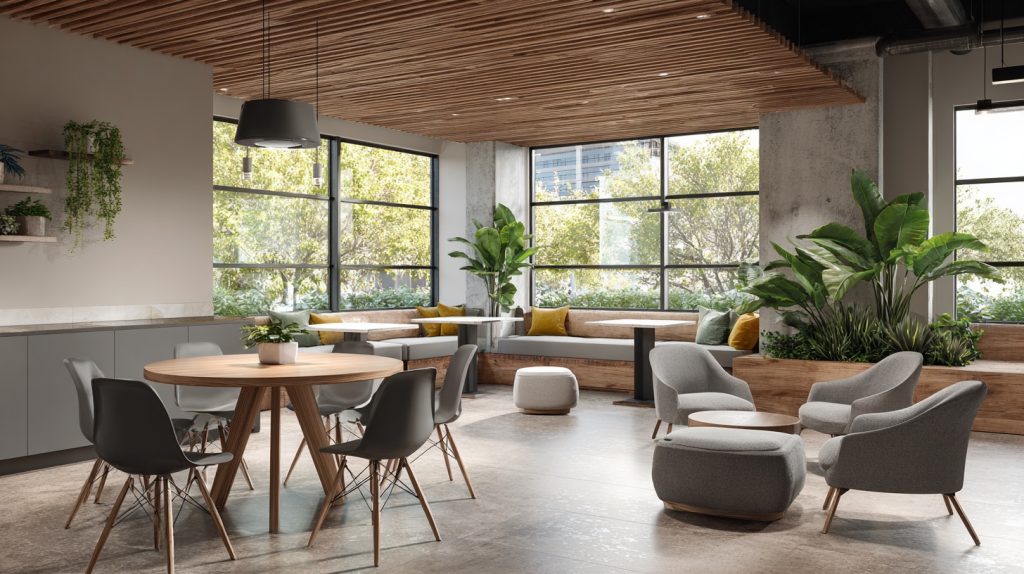
Breakroom Reimagined: Furniture That Builds Team Connection
Breakroom Reimagined: Furniture That Builds Team Connection
Breakrooms in Northern Virginia and DC metro offices often serve as afterthoughts—bare tables and mismatched chairs in leftover space. This approach misses significant opportunities. Well-designed breakrooms with thoughtful furniture selections become cultural hubs where teams connect, recharge, and build relationships that strengthen collaboration throughout the workday. Strategic investment in these spaces delivers returns far exceeding furniture costs.
Why Breakroom Design Matters More Than Ever
Hybrid work has changed breakroom dynamics. When employees work remotely most days, office time becomes precious for building relationships and team cohesion. Breakrooms evolve from mere lunch spots into social headquarters where colleagues reconnect and new team members integrate into company culture. For DC area businesses competing for talent, quality breakroom environments signal that employee experience matters beyond workstations.
Research consistently shows that workplace friendships correlate with employee satisfaction, engagement, and retention. Breakrooms where these friendships form naturally deliver measurable business value. The challenge is creating environments that encourage interaction beyond obligatory politeness while remaining comfortable for introverts who need quieter recharge time.
Diverse Seating for Varied Social Comfort Levels
Not everyone socializes the same way. Effective breakrooms provide furniture options accommodating different preferences. Large communal tables support group lunches and team celebrations. Small 2-4 person tables work for intimate conversations or quiet meals. Individual seating near windows or corners serves employees who prefer solo downtime.
For Northern Virginia offices, this variety prevents breakrooms from favoring extroverts while making introverts uncomfortable. When everyone finds seating matching their social comfort level, the space serves the entire team rather than just the most outgoing members.
Seating variety should include different postures too. Traditional dining chairs work for meals, but lounge seating creates zones for casual conversation or reading during breaks. Bar-height seating at counters provides perching options for quick coffee stops. This diversity makes breakrooms feel welcoming for various activities beyond just eating lunch.
Furniture That Encourages Face-to-Face Connection
Breakroom furniture arrangement powerfully influences interaction. Round or square tables bring people face-to-face, encouraging conversation. Long rectangular tables seated on both sides create cafeteria-style efficiency but less intimacy. For DC metro businesses prioritizing team connection, circular configurations win despite slightly lower capacity.
Lounge seating arrangements matter equally. Sofas facing each other across coffee tables create natural conversation clusters. Chairs arranged in circles encourage group discussions. Avoid theater-style arrangements where everyone faces the same direction—these reduce interaction to viewing furniture rather than social spaces.
Multi-Function Spaces Beyond Lunch
Modern breakrooms serve purposes beyond meals. They host informal meetings, provide quiet spaces for focused work away from desks, and accommodate all-hands gatherings. Furniture supporting this versatility increases space utilization and return on investment. Mobile tables that move aside for standing gatherings. Writable wall surfaces for brainstorming during lunch discussions. Power outlets and USB ports supporting laptop work with coffee.
For Northern Virginia companies in space-constrained offices, multi-function breakrooms eliminate needs for separate all-hands meeting rooms or alternative work areas. The same square footage serves varied purposes throughout the day, maximizing valuable real estate.
All Business Systems helps businesses create multifunctional spaces with flexible furniture solutions, including mobile standing desks and adaptable tables that support varied breakroom activities throughout your DC metro office.
Creating Neighborhoods Within Larger Breakrooms
Large breakrooms serving 30+ employees risk feeling institutional. Breaking these spaces into distinct neighborhoods using furniture placement creates more intimate zones within the larger room. A quiet corner with individual seating and soft lighting. A central social zone with large communal tables. A lounge area with comfortable seating and entertainment options.
Strategic furniture placement creates these zones without physical barriers. Area rugs define neighborhoods visually. Different table styles distinguish zones. Lighting variations signal different purposes. For DC area businesses, this approach maintains openness and flexibility while providing the psychological comfort of smaller, defined spaces.
Durability and Maintenance Considerations
Breakroom furniture endures harder use than typical office furniture—spills, frequent cleaning, high traffic, and diverse users. Commercial-grade construction proves essential. Look for sealed wood surfaces resisting water damage, stain-resistant upholstery fabrics, and cleanable materials throughout.
Metal frames typically outlast wood in high-traffic breakrooms. Laminate surfaces clean more easily than veneer. Vinyl upholstery handles spills better than fabric. While these materials sometimes feel less elegant than premium alternatives, their durability in breakroom environments delivers better long-term value. Quality commercial-grade furniture balances aesthetic appeal with practical durability.
Biophilic Elements for Restorative Breaks
Breakrooms should support genuine rest and mental recovery. Natural elements help achieve this. Wood furniture brings organic warmth. Plants (real or quality artificial) add life and color. Natural light access, where possible, supports circadian rhythms and mood. For Northern Virginia offices, these biophilic touches transform breakrooms from purely functional spaces into restorative environments that improve afternoon productivity.
Even small biophilic gestures make impacts. Natural wood tabletops instead of solid colors. Planters integrated with seating clusters. Window-facing furniture that encourages outdoor views during breaks. These elements need not be expensive to be effective.
Supporting Workplace Wellness Through Breakroom Design
Breakroom furniture can subtly encourage healthier behaviors. Bar-height tables with stools promote standing during quick meals. Comfortable seating away from food areas encourages stepping away from desks for true breaks rather than eating at workstations. Spacious layouts allow movement and circulation rather than cramped positioning that discourages use.
For DC metro businesses with wellness programs, breakroom design amplifies these initiatives. When healthy break behaviors are environmentally supported through thoughtful furniture, they become easier habits rather than requiring constant willpower.
ROI Beyond Square Footage
Quality breakroom investment might seem discretionary when budgets tighten. However, the returns are measurable. Improved employee satisfaction scores. Stronger recruitment appeal during office tours. Better team collaboration stemming from casual conversations. Reduced turnover when employees feel valued through environmental investments.
For Northern Virginia companies calculating breakroom ROI, consider the alternative: cheap furniture signaling that employee experience doesn’t warrant investment. This message impacts culture and retention far beyond furniture depreciation schedules.
Ready to transform your breakroom into a team-building asset? Contact us at All Business Systems for expert advice on furniture solutions that create welcoming, functional social spaces throughout your Northern Virginia or DC metro office.