
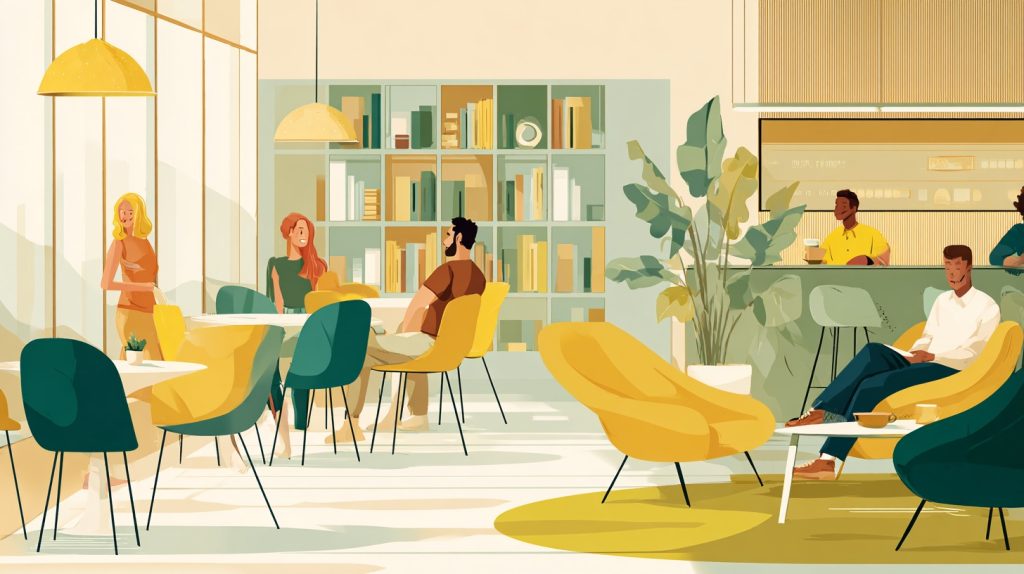
Breakroom Reimagined: Furniture That Makes Lunch Breaks Restorative
Why Your Breakroom Deserves More Attention
For many offices across Northern Virginia and the Washington DC metro area, the breakroom is an afterthought. It gets the leftover furniture, the mismatched chairs, and the wobbly table nobody wanted. But research consistently shows that employees who take genuine, restorative breaks return to their desks more focused, more creative, and more productive. The furniture in your breakroom plays a direct role in whether those breaks actually recharge your team or leave them just as drained as before.
A well-designed breakroom tells your employees something important: their wellbeing matters. And in a competitive hiring market like the DC metro area, that message can make the difference between retaining top talent and watching them walk out the door.
Comfort That Encourages Actual Rest
The most common breakroom mistake is filling the space with the same task chairs and rigid surfaces found throughout the rest of the office. When employees sit down for lunch, they need a physical and mental shift from their work environment. That shift starts with the furniture.
Consider incorporating these elements for genuine comfort:
- Lounge seating with soft upholstery — Modular sofas and cushioned armchairs give employees a place to truly decompress. Look for commercial-grade fabrics that hold up to daily use while still feeling inviting.
- Varied seating heights — A mix of standard dining chairs, counter-height stools, and lower lounge seating lets people choose what feels right in the moment. Someone recovering from hours at a desk may want to sink into a low chair, while others prefer sitting upright at a café-style table.
- Ergonomic support even at rest — Breakroom chairs should still offer lumbar support and proper seat depth. Discomfort cuts breaks short, and employees end up eating at their desks instead.
Furniture That Brings People Together
Breakrooms are one of the few places in an office where people from different departments naturally cross paths. The right furniture layout can encourage the kind of informal conversations that build team cohesion and spark unexpected collaboration.
Round tables seat four to six people comfortably and create a more social dynamic than long rectangular surfaces where people cluster at opposite ends. Communal tables with bench seating work well in larger breakrooms, creating an open, welcoming atmosphere similar to the popular food halls found throughout Arlington and the Tysons area.
Booth-style seating along a wall provides a semi-private option for smaller groups who want to catch up without competing with the noise of the entire room. These are especially effective in open-plan offices where quiet conversation space is already scarce.
Creating Zones for Different Kinds of Breaks
Not every break looks the same. Some employees want to socialize. Others need fifteen minutes of solitude to reset. A thoughtfully furnished breakroom accommodates both without requiring a massive footprint.
The social zone should feature clustered seating, shared tables, and an open layout that invites group interaction. This is where your café tables, communal benches, and counter seating with stools work best.
The quiet zone can be as simple as two or three individual lounge chairs positioned near a window or along a far wall, separated from the main dining area by a bookshelf, planter, or acoustic panel. Even a small nook with a comfortable chair and a side table gives someone a place to read, scroll their phone in peace, or simply sit without stimulation.
For offices in Northern Virginia where square footage comes at a premium, even modest zoning makes a measurable difference in how employees experience their breaks.
Durability and Maintenance Matter
Breakroom furniture takes a beating. Spills, crumbs, heavy daily use, and constant movement mean you need pieces built for commercial environments. Residential furniture may look appealing on a budget, but it breaks down quickly and ends up costing more in replacements within a year or two.
Look for tables with laminate or solid surface tops that resist stains and scratches. Choose chairs with cleanable upholstery or wipeable surfaces. Metal and hardwood frames outlast plastic alternatives significantly. And if your breakroom includes any height-adjustable tables or standing desk options for employees who prefer to eat or take breaks on their feet, make sure those mechanisms are rated for commercial use as well.
Small Upgrades with Big Impact
You do not need a full renovation to transform your breakroom. Sometimes a few strategic upgrades make all the difference:
- Replace folding chairs with stackable commercial café chairs that store just as easily but feel substantially better.
- Add a small side table and two armchairs to create an instant quiet corner.
- Swap out a long conference-style table for two or three smaller round tables that encourage more intimate conversation.
- Introduce counter-height seating along a wall or window to add capacity without crowding the floor plan.
These changes are approachable for any budget and can be implemented over time as priorities allow.
Invest in Breaks That Actually Work
A restorative break is not a luxury. It is a productivity strategy. When Washington DC metro area businesses invest in breakroom furniture that genuinely supports rest and connection, they see returns in employee satisfaction, retention, and afternoon performance. The breakroom is where your team recharges, and that space deserves furniture chosen with the same care you bring to your conference rooms and executive offices.
Ready to rethink your breakroom? Contact us at All Business Systems for a free consultation and expert guidance on furniture that turns your break space into a true asset for your team.