
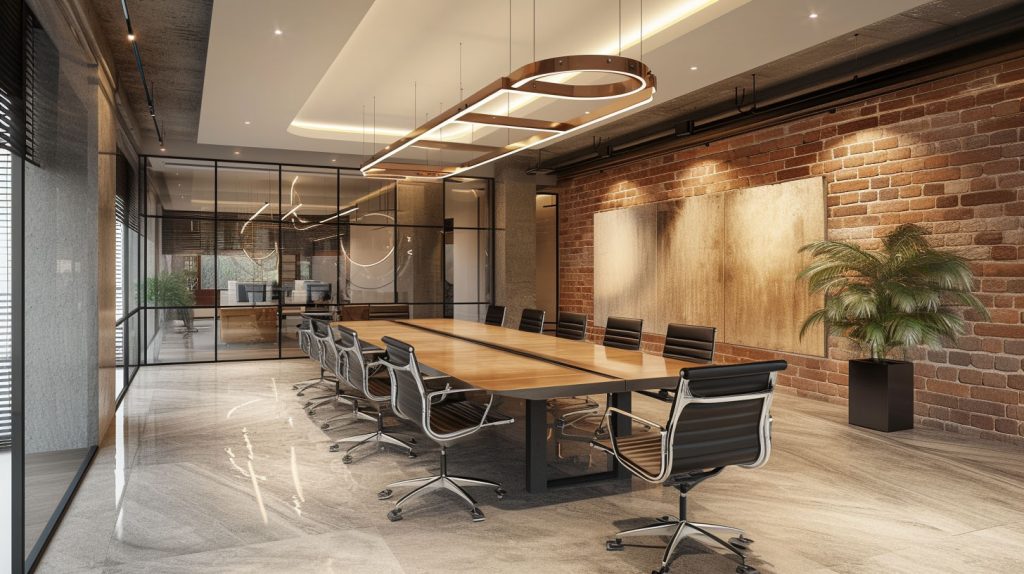
Choosing the Right Conference Room Furniture: Creating a Space for Effective Collaboration
When it comes to designing a productive workplace, the conference room plays a pivotal role. It’s the hub for meetings, presentations, brainstorming sessions, and important decision-making. The right conference room furniture not only sets the tone for these interactions but also ensures that your team is comfortable and able to work efficiently. In this article, we’ll guide you through the key factors to consider when selecting furniture for your conference room, ensuring it supports different meeting styles—from formal boardroom discussions to dynamic brainstorming sessions.
Consider the Purpose of the Room
Before diving into furniture options, it’s crucial to define how the conference room will be used. Will it primarily host formal meetings with clients and executives, or is it a space where teams will gather for creative brainstorming sessions?
For boardroom-style meetings, you’ll want a traditional setup that exudes professionalism. A large, sturdy table and comfortable, high-back chairs are ideal for a formal environment. On the other hand, for more casual or creative collaborations, a flexible layout with modular furniture can enhance comfort and productivity. Knowing the primary function of the space will help guide your decisions.
Choose the Right Conference Table
The conference table is the centerpiece of any meeting room, so it’s essential to choose one that meets your needs. Here are a few things to keep in mind:
- Size: The table should comfortably fit your team, leaving enough room for people to move around the space. Measure your room and ensure there’s ample clearance on all sides.
- Shape: Rectangular tables are classic for formal meetings, while round or oval tables foster a more inclusive and collaborative environment, where everyone feels equally involved.
- Technology Integration: Modern conference rooms require tables with built-in power outlets and cable management systems to support presentations, laptops, and video conferencing equipment. Look for tables that accommodate these needs without cluttering the space.
Select Comfortable and Functional Seating
Seating is another critical element to consider, as meetings can run long and uncomfortable chairs can hinder productivity. Ergonomic chairs are an excellent choice for conference rooms, offering the right balance of comfort and support. Look for chairs with adjustable height, lumbar support, and mobility to ensure all attendees can sit comfortably for extended periods.
If your conference room is used for shorter, more frequent meetings, you might opt for lightweight, stackable chairs that can be moved and stored easily. For longer, formal meetings, high-back executive chairs add a touch of elegance and comfort.
Prioritize Flexibility with Modular Furniture
In today’s dynamic work environment, flexibility is key. Modular furniture can be rearranged to accommodate different types of meetings. For instance, movable tables and chairs can be quickly reconfigured for team workshops or collaborative brainstorming sessions.
Consider investing in foldable tables and mobile whiteboards that can easily be rolled in and out of the room. This allows you to adapt the layout based on the specific needs of each meeting, ensuring that the space remains functional and versatile.
Incorporate Collaborative Tools
Collaboration thrives when the right tools are easily accessible. To make your conference room more interactive, consider adding furniture pieces that encourage teamwork. Examples include:
- Whiteboards or glass boards for brainstorming sessions
- Integrated technology for video conferencing and screen sharing
- Standing desks or high-top tables for quick, energetic meetings
These tools not only enhance creativity but also make it easier for teams to communicate and share ideas in real-time.
Don’t Forget About Aesthetics
While functionality is key, the aesthetics of your conference room also matter. The design and style of the furniture should align with your company’s brand and culture. For example, sleek, minimalist furniture works well in modern tech startups, while rich wood tones and classic designs are better suited for traditional or corporate environments.
Additionally, consider the color scheme. Bright, energetic colors can spark creativity, while neutral tones can create a calm and focused atmosphere. Balance your design choices with your business’s goals and the type of atmosphere you want to create in your meetings.
Conclusion
Choosing the right conference room furniture is about more than just picking out a table and chairs. It’s about creating a space that fosters effective communication, creativity, and collaboration. By considering the purpose of the room, selecting the right table and chairs, incorporating flexibility, and adding tools for collaboration, you’ll create an environment where your team can thrive.
Ready to upgrade your conference room furniture? Contact us at All Business Systems for expert advice and top-quality solutions.