
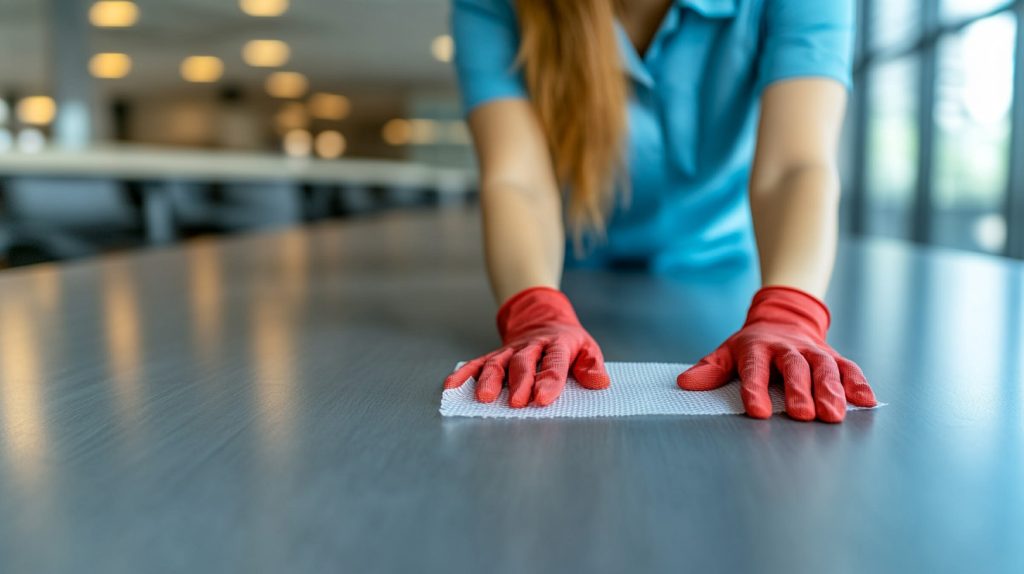
Office Furniture Maintenance Tips: How to Keep Your Furniture Looking New
Maintaining your office furniture not only ensures a professional appearance but also extends the lifespan of your investment. Whether you have a modern workspace or a more traditional setup, properly caring for your desks, chairs, and storage units is essential to keeping them in pristine condition. Below are some practical tips for cleaning, damage prevention, and knowing when to repair or replace your office furniture.
1. Regular Cleaning and Care
Dust, dirt, and grime can accumulate quickly in a busy office, dulling the look of your furniture. Regular cleaning helps preserve the appearance and longevity of your pieces.
For Wood Furniture:
– Use a soft, dry cloth to dust regularly.
– Clean spills immediately with a damp cloth, then dry the surface thoroughly.
– Use a wood-specific cleaner or polish once a month to maintain the finish, but avoid using harsh chemicals that can damage the wood.
For Upholstered Furniture:
– Vacuum chairs, sofas, and fabric-covered panels regularly to remove dust and debris.
– Spot clean fabric with a mild detergent or upholstery cleaner. Always test the cleaner on a small, hidden area first to avoid discoloration.
– If the fabric is removable, consider professional cleaning for deeper stains.
For Leather Furniture:
– Wipe leather surfaces with a damp, soft cloth. Avoid excessive water, as it can damage the material.
– Use a leather conditioner every few months to prevent cracking and to keep the leather supple.
– Keep leather furniture out of direct sunlight to prevent fading and drying out.
For Metal and Laminate Furniture:
– Use a mild detergent or an all-purpose cleaner for metal or laminate surfaces. Avoid abrasive sponges that can scratch the surface.
– For fingerprint smudges, a microfiber cloth works wonders on metal furniture.
– Inspect metal furniture for rust. If found, gently sand the area and apply a rust-prevention treatment.
2. Preventing Damage
Preventative measures can help keep your furniture looking new for years to come. Here are a few steps to minimize wear and tear in your office environment:
Use Desk Pads and Coasters
Desk pads protect your surfaces from scratches caused by keyboards, pens, and other office supplies. Similarly, coasters prevent water rings from cold drinks that can damage both wood and laminate surfaces.
Proper Weight Distribution
Avoid overloading shelves, desks, or file cabinets. Excessive weight can cause shelves to sag or even break over time. Check manufacturer guidelines for weight limits and distribute items evenly.
Adjust Chair Height and Usage
Ensure that office chairs are properly adjusted to each user. Chairs set too high or too low can lead to excessive strain on the fabric or leather, causing premature wear. Encourage employees to adjust chairs correctly and report any issues with chair mechanisms.
Move Furniture with Care
When relocating or rearranging office furniture, lift pieces instead of dragging them. Dragging can cause damage to both the furniture and flooring. Use furniture sliders or dollies for heavier items to make the process easier and protect surfaces.
3. When to Consider Repairs or Replacements
No matter how well you maintain your office furniture, there will come a time when repairs or replacements are necessary. Knowing when to act can save you money and prevent further damage.
Repairing Minor Damage
Small scratches, loose screws, and upholstery tears can often be repaired. For wood surfaces, use a wood filler or touch-up marker to hide minor nicks. Tighten screws on wobbly chairs or desks, and reupholster chairs if the fabric is fraying but the frame is still in good condition.
Replacing Beyond Repair
If your furniture is showing signs of structural damage, such as broken legs, cracked frames, or sagging shelves, it’s time to consider a replacement. Old, outdated furniture can also impact employee comfort and productivity, so it’s wise to invest in ergonomic and modern replacements when necessary.
4. Schedule Professional Maintenance
Some office furniture may require more specialized care over time. Consider scheduling professional cleaning or maintenance services for large items like conference tables, executive chairs, or custom-built furniture. These professionals can often spot issues early on and provide tailored solutions for preserving your furniture.
Conclusion
Proper maintenance is essential for keeping your office furniture looking new and ensuring it lasts as long as possible. By incorporating regular cleaning, damage prevention, and timely repairs, you can protect your investment and maintain a professional-looking workspace.
Ready to upgrade your office furniture? Contact us at All Business Systems for expert advice and top-quality solutions.