
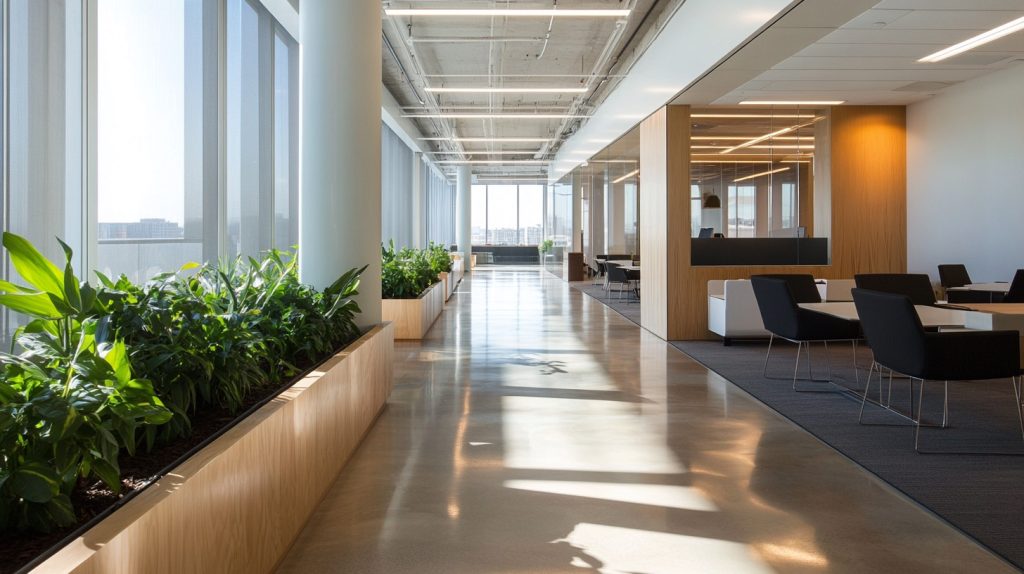
Designing Resilient and Adaptable Workspaces: Crisis-Ready Office Planning
The global events of recent years have underscored the need for workplaces to be resilient and adaptable in the face of emergencies. Whether it’s a public health crisis, natural disaster, or sudden operational shift, offices must be equipped to respond quickly and efficiently. Furniture plays a critical role in this adaptability, with designs that prioritize flexibility, durability, and safety. Here’s how crisis-ready furniture can prepare your workspace for whatever comes next.
Lessons Learned from Recent Global Events
From the COVID-19 pandemic to extreme weather events, businesses have faced a variety of crises that disrupted traditional office operations. These challenges revealed key weaknesses in workplace design, including:
- The need for easily sanitizable surfaces to maintain hygiene and reduce transmission risks.
- The importance of reconfigurable furniture to enable rapid changes in office layout, such as implementing social distancing.
- The demand for durable, multifunctional furniture that supports both in-person and remote work setups.
By incorporating these lessons, businesses can create workspaces that are better prepared for future disruptions.
Easily Sanitizable Surfaces
Hygiene is a top priority in any crisis, especially during health emergencies. Furniture with sanitizable surfaces makes it easier to maintain a clean and safe office environment. Consider these options:
- Non-Porous Materials: Furniture made from materials like laminate, metal, or high-quality plastic is easy to wipe down and resistant to germs.
- Antimicrobial Coatings: Desks, chairs, and other surfaces treated with antimicrobial finishes help reduce the spread of bacteria and viruses.
- Washable Fabrics: Opt for upholstery that can be cleaned with disinfectants or removed and machine-washed.
Rapid-Reconfiguration Systems
Flexibility is crucial when offices need to adapt to changing requirements, such as accommodating social distancing or shifting team structures. Furniture that can be quickly reconfigured ensures business continuity in uncertain times:
- Modular Furniture: Modular desks, tables, and seating allow for easy rearrangement to create additional space or new layouts as needed.
- Mobile Partitions: Rolling dividers or screens provide quick solutions for separating workstations or creating private zones.
- Foldable and Stackable Furniture: Chairs and tables that fold or stack save space and can be deployed or stored at a moment’s notice.
These systems enable offices to adapt without requiring significant downtime or costly renovations.
Resilient Materials for Durability
Crisis-ready furniture must be built to withstand wear and tear, ensuring reliability in demanding situations. Look for these qualities:
- Stain and Scratch Resistance: Durable materials like tempered glass, powder-coated metals, and commercial-grade laminates maintain their appearance under heavy use.
- Weather-Resistant Designs: In cases where furniture might need to be moved outdoors temporarily, weather-resistant pieces can be invaluable.
- Heavy-Duty Construction: Choose furniture with reinforced frames and high weight capacities to handle long-term use under stress.
Technology Integration for Remote and Hybrid Work
Emergencies often accelerate the need for remote or hybrid work solutions. Furniture with integrated technology ensures that employees can stay connected and productive, no matter the situation:
- Built-In Power and Connectivity: Desks and conference tables with integrated charging ports and cable management simplify setup for hybrid meetings.
- Video Conferencing Pods: Acoustic pods with built-in screens and soundproofing provide private spaces for virtual meetings.
- Portable Technology Stations: Rolling carts equipped with monitors, power outlets, and AV capabilities enable flexibility in hybrid setups.
Designing for Employee Well-Being
During a crisis, maintaining employee morale and well-being is essential. Furniture that promotes comfort and mental health helps mitigate stress:
- Ergonomic Seating: Adjustable chairs with lumbar support reduce physical strain during long hours.
- Quiet Zones: Soundproof booths or pods provide refuge for employees needing a break or focused work time.
- Biophilic Design: Incorporating natural elements like greenery or wood finishes creates a calming atmosphere.
Preparing for the Unexpected
Crisis-ready furniture is an investment in your business’s resilience. By choosing flexible, durable, and hygienic solutions, you can create a workspace that adapts to emergencies while supporting productivity and employee well-being. Whether responding to a pandemic, natural disaster, or other disruptions, a well-designed office ensures you’re ready to face the future.
Looking to design a resilient workspace? Contact us at All Business Systems for expert advice and top-quality furniture solutions.