
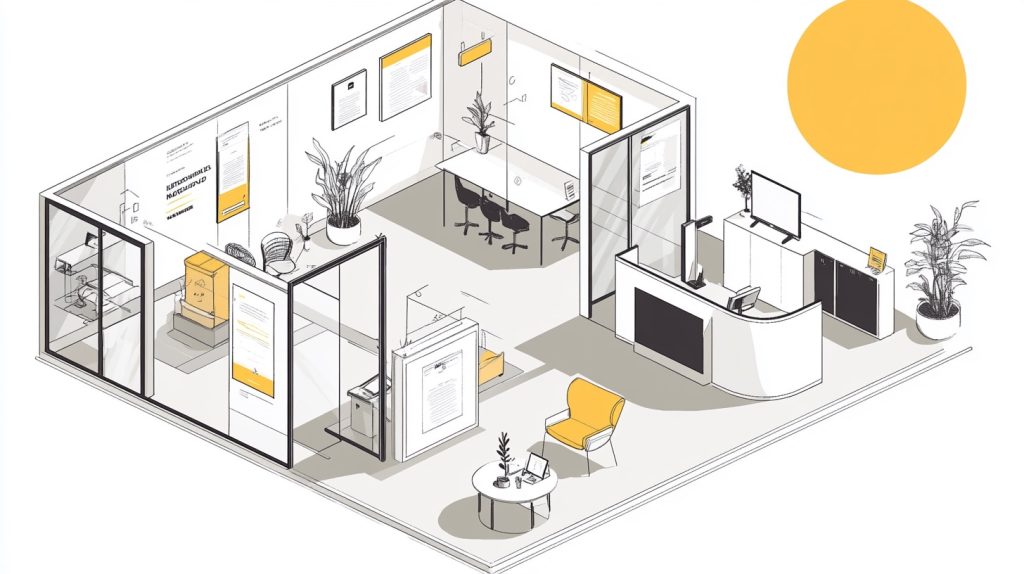
Furniture for the Four-Day Workweek: Maximizing Space Efficiency
The four-day workweek is gaining traction as companies experiment with compressed schedules to boost productivity and improve employee well-being. However, this shift brings new challenges for office design. With fewer days in the office and fluctuating occupancy levels, businesses need furniture and layouts that are efficient, flexible, and adaptable. Here’s how to optimize your workspace for a four-day workweek with smart furniture solutions and strategic layouts.
Hot-Desking for Flexibility
In a four-day workweek, many employees may not be in the office simultaneously. This makes hot-desking—shared workstations used by multiple employees—an ideal solution. Here’s how to implement hot-desking effectively:
- Adjustable Workstations: Provide desks and chairs with adjustable heights and ergonomic features so that employees of all sizes can work comfortably.
- Technology Integration: Equip desks with built-in power outlets, USB ports, and wireless charging pads to make them convenient for any user.
- Desk Booking Systems: Implement digital tools that allow employees to reserve desks in advance, minimizing confusion and ensuring availability.
Hot-desking maximizes space efficiency by reducing the number of dedicated desks needed, freeing up room for other uses like collaborative areas or relaxation zones.
Optimized Storage Solutions
Compressed work schedules require creative storage options to keep offices organized and clutter-free. Employees may need secure, temporary spaces for their belongings. Consider these solutions:
- Personal Storage Lockers: Provide lockable compartments where employees can store their work essentials, reducing the need for permanent desks.
- Mobile Storage Units: Rolling carts or cabinets can double as desk-side storage during the day and be tucked away when not in use.
- Shared Storage Areas: Centralized storage zones can house office supplies, equipment, and files, keeping the workspace streamlined.
Flexible Meeting Spaces
Meeting spaces in a four-day workweek office must accommodate a range of activities, from brainstorming sessions to client presentations. Invest in furniture that adapts to different group sizes and purposes:
- Modular Tables: Configurable tables can be arranged for large team meetings or split into smaller setups for breakout discussions.
- Stackable Seating: Lightweight chairs that are easy to move and store allow you to reconfigure rooms quickly.
- Collaborative Tools: Incorporate mobile whiteboards, digital screens, and movable partitions to support dynamic collaboration.
These adaptable spaces make it easier to host meetings efficiently while accommodating varying occupancy levels throughout the week.
Multi-Functional Furniture
With fewer days in the office, furniture that serves multiple purposes can significantly enhance space efficiency. Here are some versatile options:
- Convertible Desks: Desks that double as standing workstations or fold away when not in use maximize floor space.
- Storage Benches: Seating with hidden compartments provides a dual function, offering both comfort and storage.
- Partitioned Booths: Enclosed seating areas can serve as quiet zones for focused work or casual meeting spots, depending on the need.
Designing for Collaboration and Focus
The four-day workweek doesn’t mean sacrificing collaboration or focus. Balancing these needs requires intentional design:
- Open Collaboration Zones: Designate areas with comfortable seating and communal tables for brainstorming sessions and teamwork.
- Private Focus Pods: Install enclosed pods or booths where employees can tackle deep work without distractions.
- Zoned Layouts: Divide the office into clearly defined areas for collaborative, focused, and recreational activities, ensuring every square foot is utilized effectively.
Technology for the Modern Workplace
Technology plays a vital role in making furniture and layouts more efficient. Smart office tools help manage space usage and support compressed schedules:
- Occupancy Sensors: Track which areas are being used the most to identify opportunities for improvement.
- Integrated AV Systems: Ensure meeting rooms are equipped with easy-to-use technology for seamless video conferencing.
- Mobile Apps: Use apps to streamline hot-desk bookings, meeting room reservations, and office scheduling.
Conclusion
The shift to a four-day workweek opens up new opportunities for rethinking office design. By leveraging hot-desking, flexible furniture, and strategic layouts, businesses can maximize space efficiency while supporting employee productivity and collaboration. These smart solutions ensure that offices remain functional, welcoming, and adaptable to the needs of a modern workforce.
Ready to transform your office for the four-day workweek? Contact us at All Business Systems for expert advice and top-quality solutions.