
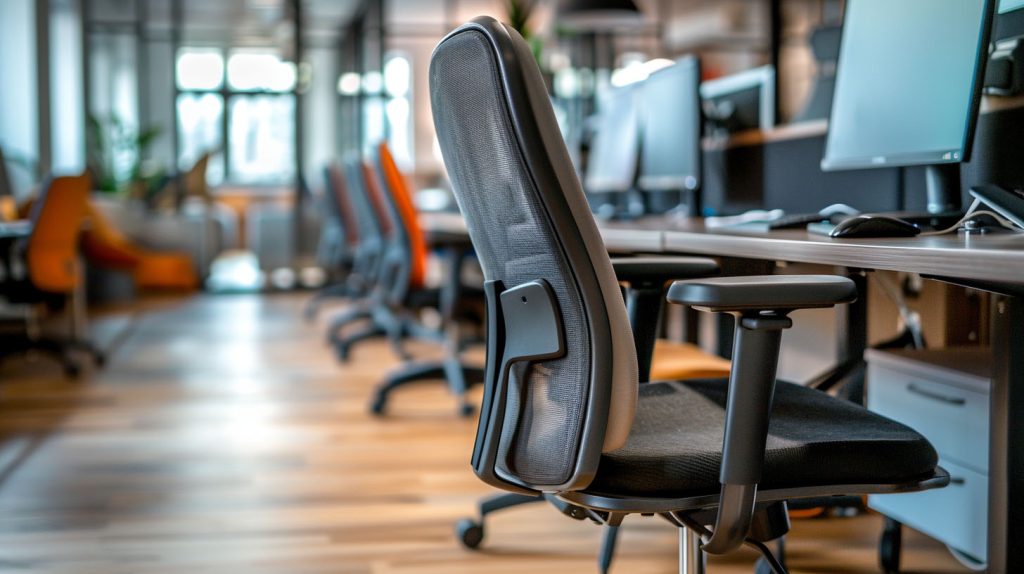
Ergonomic Office Furniture: How to Choose the Best Chairs and Desks for Employee Comfort
Creating a comfortable and productive work environment is essential for any business. Ergonomic office furniture is designed to support employees’ physical well-being, reduce discomfort, and increase productivity. When employees feel good at their desks, they’re more likely to stay focused and motivated. In this article, we’ll explore the benefits of ergonomic furniture and offer tips on choosing the best chairs and desks to maximize employee comfort.
Benefits of Ergonomic Office Furniture
Ergonomic office furniture goes beyond aesthetics. It addresses the physical needs of employees, promoting better posture and minimizing strain. Here are some of the key benefits:
- Reduced Physical Strain: Ergonomic chairs and desks are designed to provide adequate support to the spine, neck, and wrists, which reduces the risk of musculoskeletal disorders. This means fewer complaints of back, neck, or shoulder pain.
- Increased Productivity: When employees are comfortable, they can maintain focus and energy throughout the workday. This leads to higher efficiency and output.
- Improved Employee Well-being: Investing in ergonomic furniture shows employees that their health and comfort are a priority. This can lead to better job satisfaction and morale.
- Lower Absenteeism: A healthier workforce means fewer sick days. Ergonomic furniture can help prevent chronic health issues that often cause absenteeism, such as back pain or repetitive strain injuries.
Choosing the Best Ergonomic Chairs
The right office chair is essential to maintaining proper posture and comfort during long hours at a desk. Here’s what to look for in an ergonomic chair:
1. Adjustable Seat Height and Depth
A good ergonomic chair should allow for adjustments in seat height and depth. Employees should be able to sit with their feet flat on the floor and their knees at a 90-degree angle. The chair’s depth should also allow for a few inches of space between the back of the knees and the seat’s edge.
2. Lumbar Support
Lumbar support is crucial for maintaining the natural curve of the lower spine. Look for chairs that offer adjustable lumbar support to provide proper back alignment, which helps prevent slouching and reduces lower back pain.
3. Adjustable Armrests
Armrests should support the arms comfortably while allowing shoulders to relax. Adjustable armrests enable users to position them at the correct height to prevent shoulder and neck strain.
4. Reclining Feature
An ergonomic chair should allow the user to recline slightly, which reduces pressure on the spine and promotes better circulation. This feature also helps alleviate tension in the lower back during long periods of sitting.
Selecting the Best Ergonomic Desks
Desks are just as important as chairs when it comes to creating an ergonomic workspace. Here’s what to consider when choosing an ergonomic desk:
1. Height Adjustability
Height-adjustable desks, also known as sit-stand desks, are ideal for promoting movement throughout the workday. They allow employees to switch between sitting and standing positions, reducing the negative effects of prolonged sitting.
2. Spacious Surface
An ergonomic desk should have enough space to accommodate essential items, such as a computer, keyboard, and any additional equipment, without causing clutter. The surface should also be at a comfortable height to prevent employees from hunching over.
3. Keyboard and Mouse Positioning
Desks should be designed to keep the keyboard and mouse at a comfortable level. The forearms should be parallel to the floor, and the wrists should not be angled awkwardly. Consider desks with keyboard trays or platforms to achieve the ideal position.
Creating a Holistic Ergonomic Workspace
Choosing the right ergonomic chairs and desks is a great start, but a truly ergonomic workspace goes beyond furniture selection. Here are some additional tips to enhance employee comfort and productivity:
- Monitor Placement: Position monitors at eye level and at least 20 inches away from the eyes to reduce neck strain and eye fatigue.
- Footrests: If a desk or chair height adjustment isn’t sufficient, provide footrests to support proper leg and foot positioning.
- Lighting: Ensure the workspace is well-lit to prevent eye strain and improve focus.
Invest in Employee Comfort with Ergonomic Office Furniture
By investing in high-quality ergonomic chairs and desks, companies can create a more comfortable and efficient workplace. Not only does this lead to happier employees, but it also contributes to better overall business performance. From reducing physical strain to increasing productivity, ergonomic office furniture is a valuable asset for any organization.
Ready to upgrade your office furniture? Contact us at All Business Systems for expert advice and top-quality solutions.