
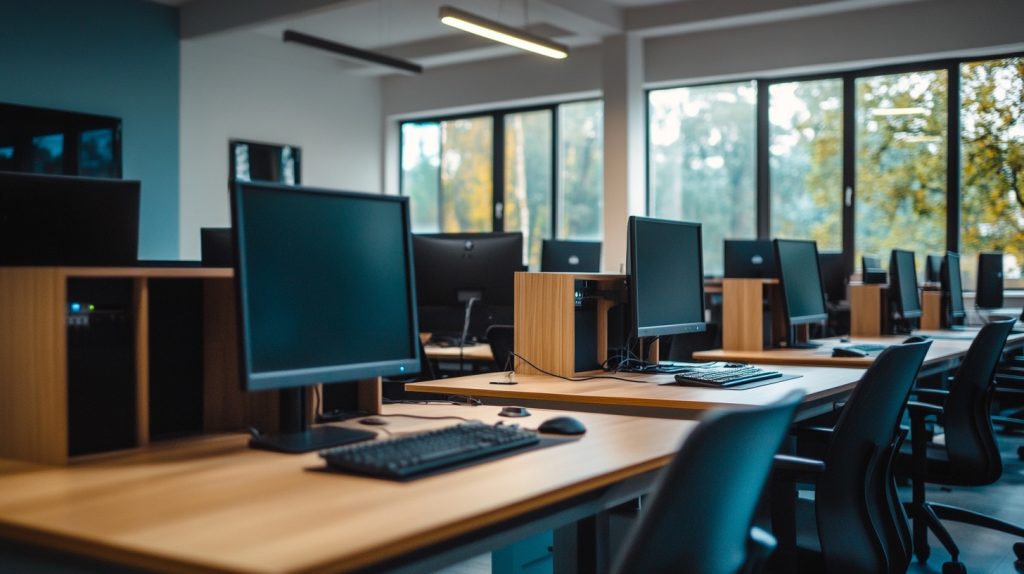
The Office as a Learning Space: Furniture That Facilitates Continuous Education
In a rapidly evolving business environment, ongoing learning and skill development are essential for staying competitive. To foster a culture of growth and knowledge-sharing, companies are increasingly turning their offices into dynamic learning spaces. The right office furniture plays a pivotal role in this transformation, supporting various educational activities from formal training sessions to informal brainstorming meetings.
In this article, we’ll explore how office furniture can be designed to promote ongoing learning, enhance collaboration, and adapt to diverse learning styles, creating a workplace that empowers employees to thrive.
Creating Versatile Learning Zones
Modern offices are moving away from traditional, static layouts and embracing flexible, multi-functional spaces that can be reconfigured as needed. This approach supports a variety of learning activities, whether it’s a quick team huddle or an in-depth training workshop. To facilitate this flexibility, companies can incorporate:
- Modular Furniture: Desks, tables, and seating that can be easily rearranged allow teams to set up spaces according to their specific needs. For example, tables that can be linked together or separated make it easy to switch from group discussions to individual workstations.
- Mobile Whiteboards and Dividers: Mobile whiteboards and room dividers help create impromptu learning zones for brainstorming or project planning. They also provide privacy and noise reduction, which are essential for focused learning activities.
- Multi-Purpose Seating: Stackable chairs or stools that can be moved and stored easily are perfect for spaces that frequently transition between different functions, such as training rooms that double as meeting spaces.
By integrating versatile furniture options, companies can optimize their office layout to support a wide range of educational opportunities.
Ergonomics and Comfort: Key Elements for Focus
Effective learning requires focus and comfort. Ergonomically designed furniture ensures that employees remain comfortable during long training sessions or extended periods of focused work. Consider incorporating the following elements to promote better learning experiences:
- Adjustable Chairs and Desks: Providing adjustable seating and desks allows employees to tailor their workspaces to their specific needs, reducing fatigue and discomfort. Chairs with lumbar support and height-adjustable desks can help maintain good posture and concentration.
- Collaborative Seating: Consider soft seating options like lounge chairs or benches that facilitate relaxed discussions and group learning. These comfortable settings encourage open dialogue and idea sharing.
- Task Lighting: Proper lighting is crucial for reducing eye strain and maintaining focus. Adjustable task lighting can help employees adapt their lighting environment for various activities, from reading to group discussions.
A well-designed, comfortable environment enables employees to stay engaged and absorb information more effectively, contributing to a more productive learning culture.
Tech-Integrated Furniture for Modern Learning
As technology continues to shape the workplace, integrating tech-friendly furniture is essential for creating an office that supports continuous learning. From video conferencing to digital collaboration, tech-equipped furniture helps bridge the gap between physical and virtual learning environments. Key considerations include:
- Power-Integrated Desks and Tables: Desks and tables equipped with built-in power outlets and USB ports allow employees to stay connected and charge their devices without disrupting learning activities.
- Media Display Units: Wall-mounted or mobile media units with screens facilitate presentations, webinars, and video conferencing, making it easy to share information and engage in interactive learning sessions.
- Acoustic Furniture: Acoustic pods, booths, or panels provide quiet spaces for employees to participate in virtual training sessions or engage in focused work without distractions.
Incorporating these tech-enabled features creates a seamless learning environment that caters to both in-person and remote team members, enhancing accessibility and engagement.
Promoting Collaboration and Knowledge Sharing
Collaboration is a key component of continuous learning. Office furniture can be strategically used to promote interaction and idea exchange among employees. Consider integrating these elements to foster a collaborative learning environment:
- Open Seating Arrangements: Open seating with communal tables or benches encourages spontaneous discussions and teamwork, promoting the sharing of ideas and knowledge.
- Breakout Spaces: Designate areas with soft seating, coffee tables, and writable surfaces where employees can gather for informal discussions, problem-solving, or peer-to-peer learning.
- Standing Desks for Active Learning: Standing desks or counter-height tables are great for quick, energetic discussions or collaborative learning sessions, allowing employees to stand, move, and engage more dynamically.
By creating spaces that support both structured and spontaneous interactions, companies can facilitate continuous learning and professional development across the organization.
Investing in a Learning-Focused Office Environment
An office designed to support continuous education is more than just a workplace—it’s a hub of innovation and growth. Investing in furniture that promotes learning not only benefits individual employees but also enhances organizational success by fostering a culture of adaptability and collaboration.
Partnering with an office furniture expert can help your business choose the right furniture solutions to create a dynamic, engaging learning environment tailored to your needs.
Ready to transform your office into a space that supports continuous education? Contact us at All Business Systems for expert advice and top-quality solutions.