
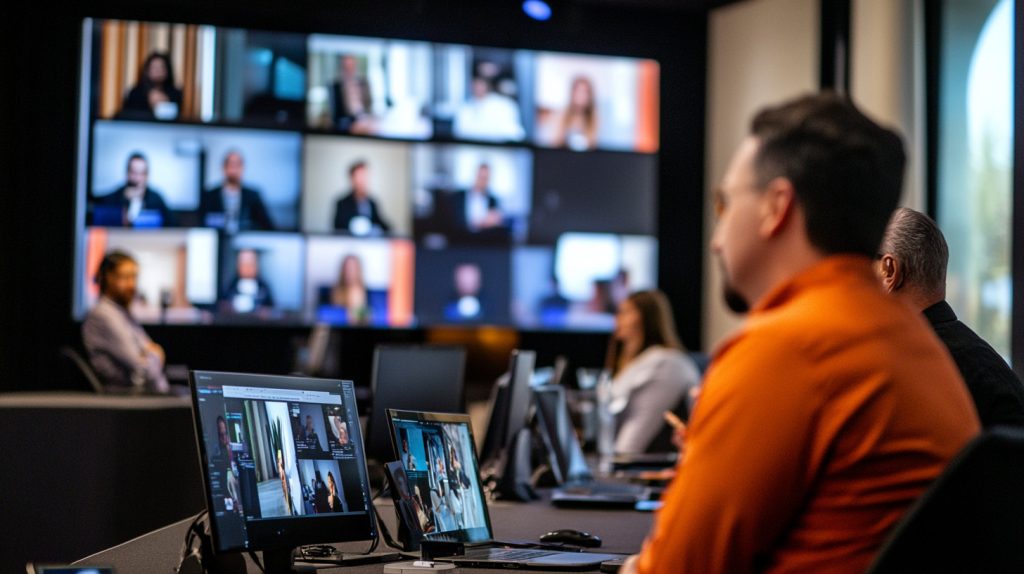
Office Furniture for Hybrid Meetings: Balancing In-Person and Virtual Collaboration
Hybrid meetings have become the norm, blending in-person and virtual collaboration seamlessly. As companies adapt to this new model, the need for office furniture that supports these dynamic interactions is crucial. The right furniture solutions can bridge the gap between physical and digital spaces, ensuring everyone, whether in the office or remote, feels equally engaged and productive.
Integrated Technology for Seamless Connectivity
One of the key elements in supporting hybrid meetings is the integration of technology into office furniture. Conference tables with built-in power outlets, USB ports, and wireless charging stations are essential for keeping devices powered and connected. Additionally, furniture designed with cable management systems ensures that wires and cords are organized and out of sight, contributing to a clean, professional environment.
Modern office furniture can also include integrated video conferencing tools, such as screens, cameras, and microphones. High-quality audio-visual (AV) setups ensure that remote participants can hear and see clearly, fostering effective communication. Some conference tables now come with motorized lifts for screens, allowing for quick and easy setup of video calls, making it effortless to switch between in-person discussions and virtual participation.
Versatile Seating Arrangements for Flexibility
Flexibility is key in hybrid meetings, where participants might need to switch between various activities and collaboration styles. Furniture that supports versatile seating arrangements is ideal for accommodating these changes. For example, modular seating options, such as mobile chairs and adjustable tables, allow for quick reconfiguration of the meeting space to suit different group sizes and purposes.
Collaborative lounge areas with comfortable seating, like sofas or armchairs, can create a more relaxed setting for brainstorming sessions or informal meetings. On the other hand, more structured settings with ergonomic chairs and adjustable desks provide a formal atmosphere, ensuring all participants are comfortable, whether they’re present physically or joining remotely.
Collaborative Surfaces and Whiteboards
In hybrid meetings, the ability to share ideas and visualize concepts is vital. Collaborative surfaces, such as large whiteboards or glass boards, enable team members to brainstorm and jot down ideas in real-time. Digital whiteboards that can be shared with remote participants add another layer of inclusivity, allowing everyone to contribute equally, regardless of location.
Tables with writable surfaces are also gaining popularity in hybrid meeting rooms. These surfaces encourage spontaneous note-taking and idea-sharing during meetings, fostering a more interactive environment. When these writable surfaces are combined with high-tech digital sharing tools, they create a powerful platform for collaboration that transcends physical boundaries.
Sound Management for Enhanced Focus
Hybrid meetings often involve a mix of voices, from both in-room participants and those dialing in virtually. Managing sound is crucial to ensure clarity and reduce distractions. Acoustic panels and sound-absorbing furniture, such as upholstered chairs or privacy pods, can help manage noise levels and create a more focused meeting environment.
Furniture designed with acoustics in mind helps to dampen the noise in larger conference rooms, ensuring that voices carry clearly without echo or interference. This is especially important in open-plan offices where hybrid meetings are common, as it helps maintain a professional atmosphere and minimizes disruptions.
Creating a Hybrid-Ready Meeting Room
To fully support hybrid meetings, it’s important to design a meeting room that balances the needs of both in-person and virtual participants. Consider furniture that promotes inclusivity, such as round tables that ensure everyone has an equal seat at the table, literally and figuratively. Additionally, providing multiple seating options, from high stools to lounge chairs, can cater to different preferences and encourage participation from all attendees.
The use of mobile furniture is another way to adapt to the changing needs of hybrid meetings. Furniture on wheels, for example, can be easily moved to create different configurations, whether for a small team huddle or a large group discussion. This flexibility ensures that your meeting space is always ready to meet the demands of modern collaboration.
Ready to upgrade your office furniture for hybrid meetings? Contact us at All Business Systems for expert advice and top-quality solutions.
“`