
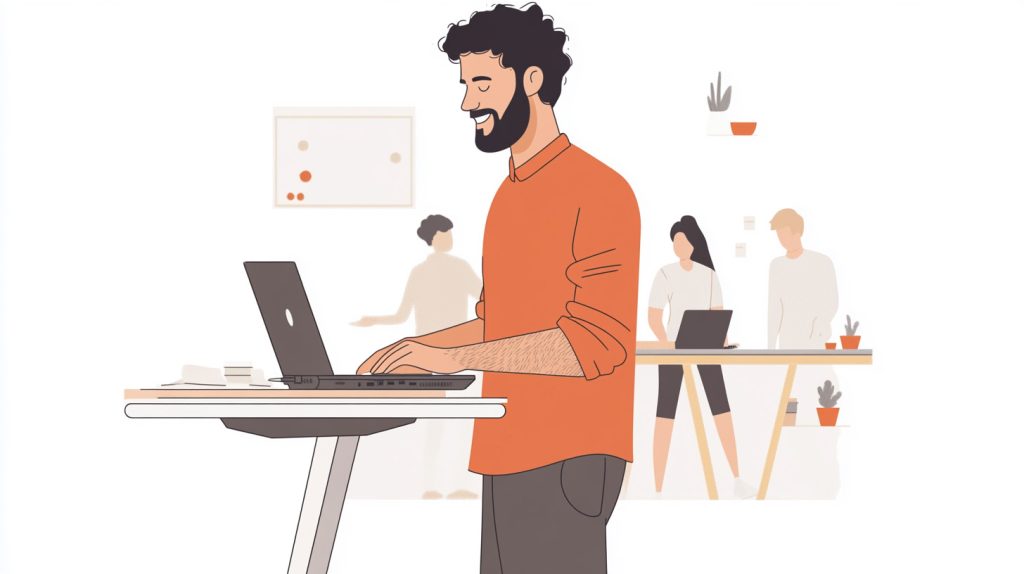
The Pros and Cons of Standing Desks in a Dynamic Work Environment
The modern workplace is rapidly evolving, with dynamic work environments becoming the norm. One key element of this evolution is the increasing adoption of standing desks, particularly in shared hot-desk setups. These versatile desks offer a range of benefits that can boost productivity and enhance well-being, but they also come with their own set of challenges. In this article, we will explore the pros and cons of standing desks, compare the effects of standing vs. sitting, and discuss how these desks fit into a dynamic workplace. We’ll also provide insights on choosing the right office furniture in the VA, DC, and Northern VA areas.
What Is a Dynamic Work Environment?
A dynamic work environment is one that adapts to the changing needs of employees. This can include flexible workspaces, hot-desking, and a variety of seating options, including standing desks. The goal is to create a workspace that is not only functional but also conducive to the well-being of employees. Standing desks are a popular choice in these environments because they allow workers to switch between sitting and standing, helping to reduce the risks associated with prolonged sitting.
The Benefits of Working While Standing
Standing desks have gained popularity for a good reason. Here are some key benefits:
- Increased Energy and Focus: Standing can boost energy levels and reduce feelings of fatigue, leading to better focus throughout the day.
- Improved Posture: When adjusted correctly, standing desks can encourage better posture, reducing the strain on the neck and lower back.
- Enhanced Collaboration: In a dynamic workplace, standing desks make it easier to collaborate with colleagues, as it’s easier to move around and engage with others.
- Caloric Burn: Standing burns more calories than sitting, which can contribute to weight management.
- Reduced Risk of Health Issues: Prolonged sitting has been linked to various health problems, including heart disease, diabetes, and obesity. Standing desks help mitigate these risks.
Standing vs. Sitting: A Comparative Analysis
The debate between standing vs. sitting has been ongoing, with strong arguments on both sides. Here’s a breakdown:
Pros of Sitting
- Comfort: Sitting is generally more comfortable, especially for long tasks that require focus.
- Lower Fatigue: Sitting can reduce the physical fatigue that comes from standing for long periods.
- Stability for Detailed Work: Sitting provides stability for tasks that require fine motor skills, such as typing or drawing.
Cons of Sitting
- Health Risks: Prolonged sitting is associated with various health risks, including musculoskeletal issues, obesity, and cardiovascular disease.
- Reduced Circulation: Sitting for extended periods can lead to poor circulation, particularly in the legs.
Pros of Standing
- Active Engagement: Standing keeps the body engaged, which can lead to increased alertness and productivity.
- Better Posture: Standing promotes a natural alignment of the spine, reducing back pain.
- Flexibility: Standing desks can be easily adjusted to switch between sitting and standing, providing flexibility.
Cons of Standing
- Fatigue: Standing for too long can lead to fatigue and discomfort in the feet, legs, and lower back.
- Potential for Varicose Veins: Prolonged standing has been linked to the development of varicose veins.
Overall, the best approach in a dynamic work environment is to alternate between sitting and standing, utilizing adjustable desks that cater to both postures.
The Role of Standing Desks in a Dynamic Workplace
In a dynamic workplace, where flexibility and adaptability are key, standing desks offer several advantages:
Hot-Desking and Shared Spaces
Standing desks are particularly well-suited to hot-desking environments, where employees do not have assigned workstations. These desks can be easily adjusted to suit the height and preferences of different users, making them ideal for shared spaces.
Encouraging Movement
One of the core principles of a dynamic workplace is encouraging movement. Standing desks align with this principle by promoting regular posture changes. Employees can transition between sitting and standing throughout the day, reducing the health risks associated with static postures.
Fostering Collaboration and Communication
Standing desks can also enhance collaboration. In an open office environment, it’s easier to engage with colleagues and participate in impromptu meetings when you’re already standing. This can lead to more spontaneous and productive interactions.
Choosing the Right Standing Desk for Your Office
Selecting the right standing desk is crucial for maximizing its benefits. Here are some factors to consider:
Adjustability
The desk should be easily adjustable to accommodate both sitting and standing positions. Look for models with smooth, easy-to-operate mechanisms.
Stability
A sturdy desk is essential to prevent wobbling, especially when using it at its highest setting. Stability is key to ensuring a comfortable and safe work environment.
Size and Space
Consider the size of the desk and the available space in your office. Ensure it provides enough surface area for all your work essentials without overcrowding your workspace.
Quality and Durability
Invest in a high-quality desk that will stand the test of time. While cheaper models may be tempting, they often lack the durability and features of higher-end options.
Style and Aesthetics
The desk should complement the overall design of your office. Fortunately, there are plenty of stylish options available that blend functionality with aesthetics.
Ergonomics
Ergonomics should be a top priority when selecting a standing desk. Ensure the desk allows for proper posture and includes options for additional ergonomic accessories, such as a footrest or anti-fatigue mat.
Integrating Standing Desks into Your Office in VA, DC, and Northern VA
For businesses in the VA, DC, and Northern VA areas, integrating standing desks into your office can greatly enhance your dynamic work environment. When choosing office furniture in VA, it’s important to work with a provider that understands the unique needs of your business.
At All Business Systems, we specialize in providing high-quality office furniture that meets the demands of modern workplaces. Whether you’re looking to furnish a small office or an entire building, we have the expertise and products to help you create a productive and dynamic work environment.
Common Concerns and Solutions
While standing desks offer many benefits, there are also some common concerns that users may face. Here’s how to address them:
Fatigue and Discomfort
Standing for long periods can lead to fatigue. To combat this, encourage employees to alternate between sitting and standing. Providing anti-fatigue mats can also help alleviate discomfort.
Desk Stability
Ensure that the standing desks you choose are stable and durable. Testing the desk at various heights can help identify any potential issues before purchase.
Cable Management
Cable management can be challenging with adjustable desks. Invest in cable management solutions like under-desk trays or cable ties to keep cords organized and out of the way.
Conclusion: The Future of Work Is Dynamic
Standing desks are more than just a trend; they are a key component of the dynamic work environments that are shaping the future of work. By offering employees the flexibility to choose between sitting and standing, these desks can enhance productivity, well-being, and collaboration. As businesses in VA, DC, and Northern VA continue to evolve, integrating standing desks into the workplace can provide significant benefits.
Ready to upgrade your office furniture? Contact us at All Business Systems for expert advice and top-quality solutions.