
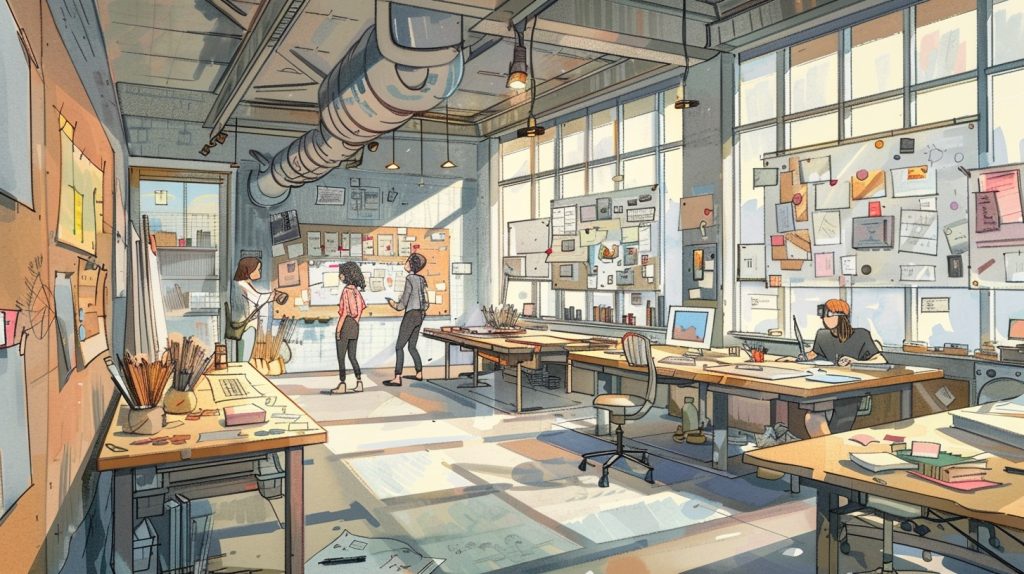
The Collaborative Canvas: Reimagining Shared Workspace Interactions
The modern workplace thrives on collaboration, innovation, and connection. As the dynamics of shared workspaces continue to evolve, designing environments that foster effective interactions has become paramount. By reimagining shared workspace design, businesses can create “collaborative canvases” where teams can communicate, brainstorm, and innovate seamlessly. Let’s explore how innovative furniture and thoughtful design principles can transform shared workspaces into vibrant hubs of creativity and teamwork.
The Shift to Collaborative Workspaces
With the rise of hybrid work models and open office layouts, shared workspaces have become central to workplace design. These areas must balance flexibility with functionality, catering to a wide range of activities—from informal catch-ups to intensive brainstorming sessions. The right design can inspire creativity while minimizing distractions, creating spaces that empower teams to work smarter together.
Furniture That Inspires Collaboration
1. Modular Seating Solutions
Modular seating offers unparalleled flexibility, making it ideal for shared workspaces. Configurable sofas and chairs can be arranged into clusters for group discussions or separated for individual focus time. Their adaptability ensures that the space evolves with the team’s needs.
2. Collaborative Desking
Desking solutions that combine individual workstations with shared surfaces strike the perfect balance between focus and teamwork. Desks with integrated cable management and built-in storage keep shared spaces organized, while adjustable height options accommodate diverse working preferences.
3. Standing Collaboration Tables
Standing-height tables encourage movement and active engagement during discussions. They’re particularly effective for quick huddles, brainstorming sessions, or workshops, fostering a dynamic and energetic environment.
4. Technology-Integrated Furniture
Collaborative furniture with built-in technology, such as integrated power outlets, charging ports, and smart screens, supports seamless communication and idea sharing. Interactive whiteboards or projection-ready tables allow teams to visualize concepts and streamline presentations.
Creating Dynamic Zones Within Shared Workspaces
A successful collaborative workspace incorporates diverse zones to accommodate various interaction styles. Here’s how to design a shared space that caters to all:
1. Brainstorming Corners
Designate areas for brainstorming with whiteboard walls, writable tabletops, and mobile boards. Pair these tools with comfortable seating to create a space where ideas can flow freely.
2. Quiet Collaboration Nooks
Not all teamwork requires loud discussions. Semi-enclosed booths or acoustic pods provide private spaces for focused collaboration, allowing small groups to work together without disturbing others.
3. Lounge Areas for Informal Interactions
Casual seating arrangements with soft furniture and coffee tables encourage informal conversations and relationship-building. These zones can serve as spaces for impromptu meetings or moments of relaxation.
4. Multi-Use Meeting Spaces
Outfit meeting rooms with versatile furniture, such as foldable tables or stackable chairs, to accommodate different group sizes and activities. Technology integration, like video conferencing tools, enhances the functionality of these areas for hybrid teams.
Enhancing Interaction Through Design
Beyond furniture, certain design elements can elevate the collaborative experience:
- Lighting: Use adjustable, task-oriented lighting to create a welcoming atmosphere that supports various activities.
- Color Psychology: Incorporate vibrant hues like blues and greens to stimulate creativity and focus, while softer tones promote relaxation and comfort.
- Sound Management: Acoustic panels, rugs, and sound-absorbing furniture reduce noise levels, ensuring that conversations remain productive rather than disruptive.
- Space Flow: Arrange furniture to encourage natural movement and interaction, while maintaining clear paths for navigation.
The Role of Technology in Collaborative Spaces
Modern collaboration often relies on technology. Incorporating tech-friendly furniture and tools into shared workspaces is essential. Consider solutions like interactive screens for video conferencing, wireless charging stations for convenience, and centralized hubs for device sharing. These features simplify the technical aspects of teamwork, allowing employees to focus on innovation.
Conclusion
Reimagining shared workspace interactions begins with a design that prioritizes flexibility, creativity, and inclusivity. By choosing the right furniture and incorporating thoughtful design principles, businesses can create collaborative canvases that inspire innovation and strengthen team dynamics. Whether through modular seating, technology integration, or dynamic zones, the possibilities for transforming shared spaces are endless.
Ready to redesign your shared workspace? Contact us at All Business Systems for expert guidance and premium furniture solutions tailored to your team’s needs.