
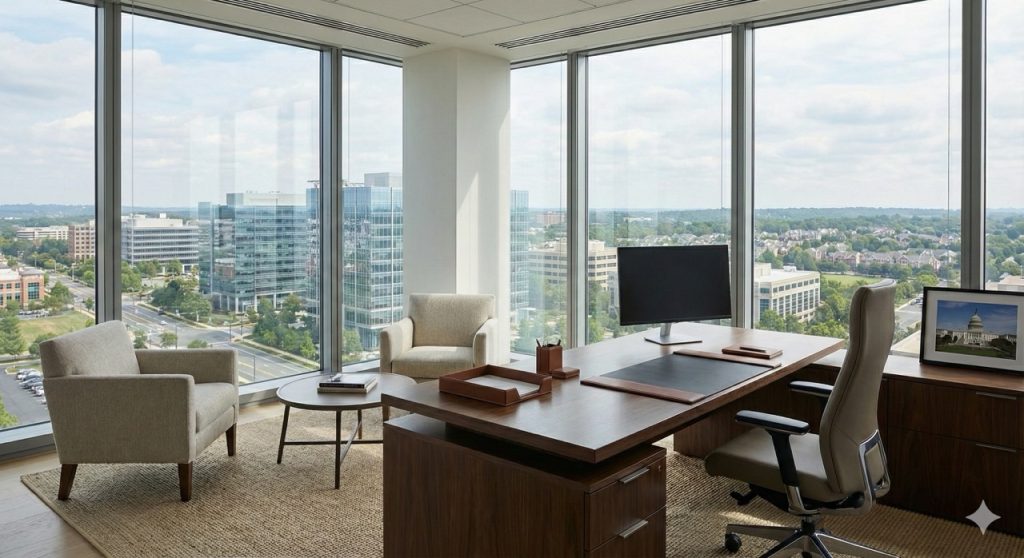
Executive Office Furniture: Projecting Authority Without Looking Outdated
Modern executives face a furniture dilemma their predecessors didn’t encounter. The massive mahogany desk behind which executives once held court now reads as disconnected and hierarchical. Yet abandoning all symbols of authority can undermine leadership presence. The solution lies in furniture that commands respect through quality and design rather than size and tradition alone.
The Evolution of Executive Presence
Twenty years ago, executive furniture emphasized separation and hierarchy. Oversized desks created physical barriers between executives and visitors. Formal seating arrangements reinforced power dynamics. This approach matched command-and-control leadership styles common in that era.
Today’s effective leaders operate differently. They collaborate with teams, welcome input, and maintain approachable presence while still providing decisive direction. Furniture should support this evolved leadership style rather than contradicting it with old-school power symbols.
This doesn’t mean executive offices should look identical to staff workspaces. Leadership positions still warrant furniture that reflects role importance and company investment in leadership. The key is achieving this through thoughtful selection rather than defaulting to traditional executive furniture stereotypes.
Desk Selection for Modern Leadership
The executive desk remains important, but its purpose has shifted. Rather than serving as a fortress barrier, modern executive desks function as quality workspaces that accommodate technology while maintaining professional aesthetics.
Quality standing desks have become increasingly popular in DC metro executive offices. Height-adjustable desks demonstrate that executives prioritize health and stay current with workplace trends—important signals for both employees and clients. These desks also facilitate different working modes, from focused computer work to standing while taking phone calls.
Size still matters, but differently than before. Executive desks should be substantial enough to accommodate legitimate work needs—multiple monitors, document review, and visitor conversations. However, desks sized purely for dominance create distance that undermines modern leadership approaches. Aim for desks that project quality through design and materials rather than overwhelming through sheer size.
Seating That Balances Collaboration and Authority
Executive office seating arrangements communicate volumes about leadership style. Traditional setups with executives behind desks and visitors in lower guest chairs reinforce hierarchy. While some situations warrant this arrangement, modern executives need flexibility for different interaction modes.
Include a separate collaboration area in executive offices when space allows. A small conference table or cluster of guest chairs around a coffee table enables conversations without the desk barrier. This setup works better for brainstorming sessions, coaching conversations, and collaborative problem-solving.
The executive chair itself should reflect quality without excess. Excessively large or ornate executive chairs can appear dated. Instead, choose ergonomic chairs that clearly represent quality investment without looking like thrones. Modern designs in premium materials signal success and good judgment better than traditional executive chair stereotypes.
Credenza and Storage Solutions
Executive credenzas serve both functional and aesthetic purposes. They provide needed storage while contributing to the office’s visual weight and presence. Modern credenzas with clean lines and quality finishes achieve these goals without the bulkiness of traditional executive furniture.
Consider credenzas that integrate technology thoughtfully. Cable management, charging stations, and screen integration keep executive offices functional for modern work requirements while maintaining refined aesthetics. This combination of sophistication and practicality reflects well on leadership.
Storage should be sufficient but not excessive. Executives drowning in filing cabinets don’t project contemporary competence. Cloud storage and digital document management have reduced physical storage needs—executive furniture should reflect this evolution rather than suggesting the executive hasn’t adapted to modern information management.
Materials and Finishes That Project Success
Material quality differentiates executive furniture from standard office pieces without requiring traditional styling. Contemporary executive furniture in premium materials—solid woods, genuine leather, quality metals—conveys success and discernment through substance rather than style excess.
Wood finishes have evolved beyond dark mahogany. Lighter woods and mixed materials create executive presence without the heaviness associated with traditional executive offices. These contemporary finishes project success while feeling current and approachable.
Metal and glass elements can work in executive offices when integrated thoughtfully. These materials suggest transparency and modern thinking. However, avoid excessive use that might make executive offices feel cold or unwelcoming. The goal is sophisticated contemporary styling, not stark minimalism.
Avoiding the Status Symbol Trap
The biggest mistake in executive furniture selection is choosing pieces primarily as status symbols. Furniture selected mainly to demonstrate rank or wealth often backfires, appearing either ostentatious or disconnected from modern workplace culture.
Employees notice when executive furniture budgets seem disproportionate to company performance or employee resource investment. A CEO in a $40,000 custom office while employees work at budget desks creates resentment. Better to invest in quality furniture throughout the organization, with executive areas representing the premium end of the same furniture families used company-wide.
This approach demonstrates consistency in values. Everyone gets quality appropriate to their role, rather than dramatic distinctions that emphasize hierarchy over capability.
Client Meeting Considerations
Executive offices frequently host client meetings, adding another dimension to furniture choices. Furniture should make clients comfortable while projecting appropriate success and capability.
Conference-capable seating becomes essential. Executives should be able to host 2-4 visitors comfortably for extended meetings. This might mean a proper small conference table or a seating arrangement designed for group conversations rather than one-on-one meetings across a desk.
Client-facing executive furniture should skew slightly more conservative than furniture in team areas. While you want to appear modern and capable, executive offices aren’t the place for experimental furniture choices that might read as risky or unstable to conservative clients.
Ready to furnish executive offices that project modern leadership? Contact us at All Business Systems for expert advice on executive furniture that commands respect without feeling outdated.