
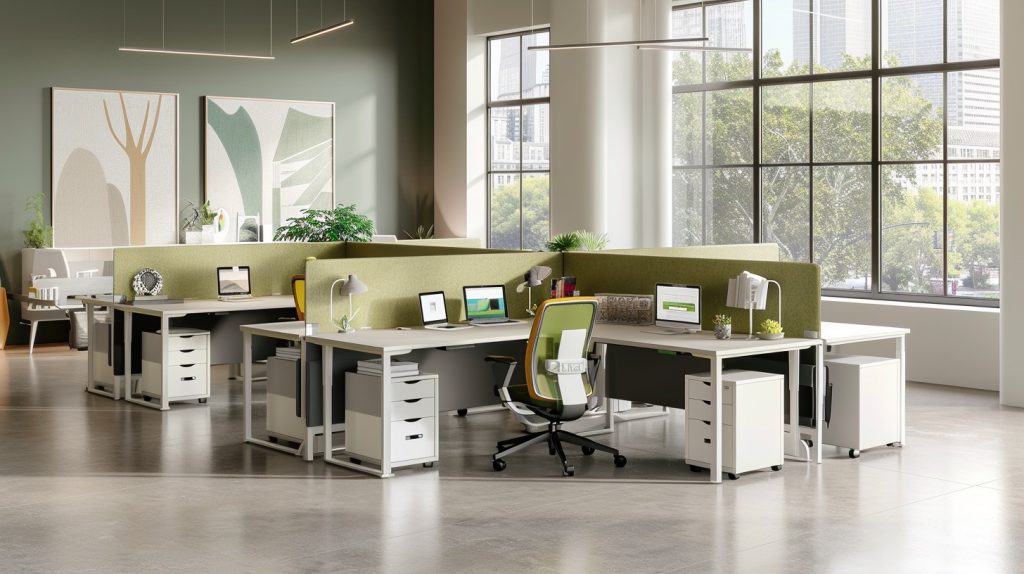
The Resilient Workspace: Furniture Strategies for Unpredictable Work Environments
The modern workplace is more dynamic than ever. From hybrid work models to sudden shifts in team sizes, businesses need workspaces that can adapt to change seamlessly. A resilient workspace is not just a luxury—it’s a necessity. With the right furniture strategies, companies can create environments that remain functional and productive, no matter what challenges arise. Here’s how to design a workspace that thrives in unpredictable conditions.
1. Embrace Modular Furniture
Modular furniture is the cornerstone of a resilient workspace. Its flexibility allows you to reconfigure layouts quickly and efficiently. For instance:
- Modular desks: Combine or separate units to create individual workstations or collaborative zones as needed.
- Seating systems: Reconfigurable sofas and chairs can adapt to different group sizes or purposes, from casual meetings to focused work.
- Partitions: Mobile dividers allow you to create privacy or open up spaces as requirements change.
These solutions ensure your office remains adaptable, even during periods of rapid change.
2. Invest in Multi-Functional Furniture
Furniture that serves more than one purpose is invaluable in unpredictable environments. Consider options such as:
- Sit-stand desks: These desks support both seated and standing work, catering to different employee preferences.
- Foldable tables: Easily stored when not in use, these tables can quickly transform a space into a meeting room or event area.
- Storage-integrated furniture: Desks and seating with built-in storage maximize functionality while minimizing clutter.
Multi-functional furniture optimizes space and provides the versatility needed to respond to changing demands.
3. Prioritize Mobility
Movable furniture is a game-changer for creating a resilient workspace. Furniture on wheels, such as mobile desks, carts, and chairs, allows for effortless reconfiguration. Teams can quickly adapt their surroundings for different tasks, from brainstorming sessions to quiet focus work.
4. Focus on Durability
Unpredictable work environments can place additional strain on furniture. Investing in high-quality, durable pieces ensures longevity and reduces replacement costs. Look for furniture made from materials like metal, hardwood, or reinforced plastics, which can withstand heavy use while maintaining their appearance.
5. Incorporate Flexible Collaboration Areas
Collaboration is key in many work environments, but its nature can change depending on the project or team. Design shared spaces with furniture that supports flexibility, such as:
- Standing-height tables: Perfect for quick huddles and brainstorming sessions.
- Stackable seating: Easily stored or deployed for larger gatherings.
- Writable surfaces: Tables or walls that double as whiteboards encourage idea-sharing and creativity.
These adaptable solutions make it easy to shift from individual work to team collaboration without missing a beat.
6. Prepare for Hybrid Work
Hybrid work models require furniture that supports both in-office and remote employees. Equip workstations with tools for seamless virtual collaboration, such as:
- Desks with built-in cable management for clean setups.
- Chairs with ergonomic support for long hours of seated work.
- Tech-integrated furniture, such as tables with charging ports or monitor mounts.
Providing flexible, tech-friendly spaces ensures productivity whether employees are working on-site or remotely.
7. Create a Scalability Plan
As teams grow or downsize, a resilient workspace should be able to scale accordingly. Stackable furniture, expandable desks, and modular shelving units allow you to adjust capacity without disrupting workflows. Choose furniture that can be added or removed without requiring a complete redesign.
8. Add Relaxation Zones
Unpredictable work environments can lead to stress, making relaxation areas essential. Comfortable lounge furniture, calming colors, and natural elements like plants provide employees with spaces to recharge. These zones help maintain morale and productivity during periods of change.
Conclusion
Designing a resilient workspace is about preparing for the unknown. By incorporating modular, multi-functional, and mobile furniture, businesses can create environments that adapt to change while supporting productivity and employee well-being. Whether you’re dealing with hybrid work, fluctuating team sizes, or new operational challenges, the right furniture strategies ensure your office remains a place where your team can thrive.
Looking to build a resilient workspace? Contact us at All Business Systems for expert advice and innovative furniture solutions tailored to your needs.