
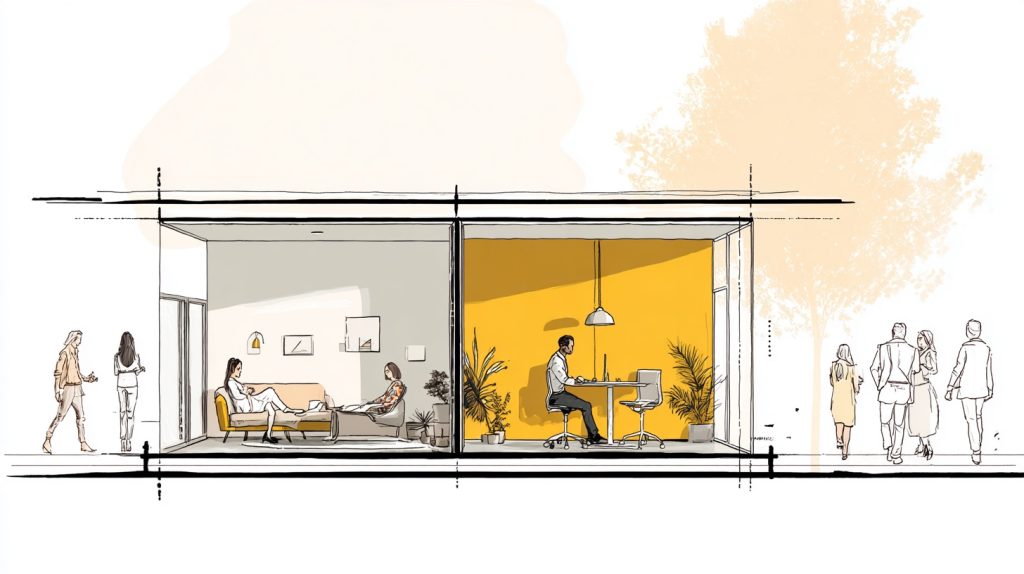
Furniture for Focus Rooms: Creating Deep Work Zones in Open Offices
The Open Office Problem: Where Did the Focus Go?
Open office layouts have dominated workplace design across the Northern Virginia and Washington DC metro area for the better part of a decade. They promised collaboration, transparency, and energy. And in many ways, they delivered. But they also introduced a persistent challenge that office managers and business owners know all too well: it is nearly impossible to do deep, focused work when you are surrounded by conversation, movement, and activity.
That is where focus rooms come in. These dedicated quiet zones, sometimes called deep work rooms or concentration pods, give employees a place to retreat when they need uninterrupted time to think, write, analyze, or problem-solve. The furniture you choose for these spaces matters more than you might expect. The right pieces can make a focus room genuinely effective. The wrong ones can turn it into just another underused conference room.
What Makes a Focus Room Different from a Meeting Room
Before selecting furniture, it is important to understand the purpose of a focus room. Unlike a conference room designed for group discussion, a focus room is built for one or two people at most. The goal is sensory reduction: fewer distractions, less visual clutter, and a sense of enclosure that signals to the brain that it is time to concentrate.
This means the furniture needs to support:
- Individual work postures — sitting, standing, or somewhere in between
- Acoustic privacy — soft materials that absorb sound rather than reflect it
- Minimal footprint — efficient use of space without feeling cramped
- Comfort for extended sessions — employees may spend one to three hours in deep focus mode
Desks That Support Sustained Concentration
The desk is the centerpiece of any focus room. For deep work sessions that can last well over an hour, giving employees the option to alternate between sitting and standing is a proven way to maintain energy and alertness. A quality standing desk from All Business Systems is an excellent choice for focus rooms because it lets users adjust their position without leaving the zone. Height-adjustable desks also accommodate different body types, which matters when a focus room is shared across a team.
Choose a desk with a clean, uncluttered surface. Built-in cable management is a plus, since dangling cords and power strips work against the calm, organized environment you are trying to create. A work surface between 48 and 60 inches wide is typically ideal for focus rooms, providing enough space for a laptop, a notebook, and a cup of coffee without feeling sprawling or excessive.
Seating That Keeps the Body Comfortable and the Mind Sharp
Ergonomic seating is non-negotiable in a focus room. When someone sits down to concentrate for an extended period, discomfort becomes a distraction just as potent as a loud phone call two desks away. Look for task chairs with adjustable lumbar support, seat depth control, and breathable mesh or fabric backs that prevent overheating during longer sessions.
For businesses in the DC metro area that want to add a secondary seating option, a compact lounge chair with firm cushioning can offer an alternative posture for reading or brainstorming. The key is to avoid anything so plush that it encourages drowsiness. Focus rooms are not nap rooms.
Acoustic Panels and Soft Furnishings
Furniture plays a direct role in the acoustic performance of a focus room. Upholstered panels, fabric-wrapped screens, and even bookcases filled with books can absorb sound and reduce the echo that hard surfaces create. Many Northern Virginia offices are housed in buildings with concrete floors and glass walls, which amplify noise. Strategic placement of soft furnishings can dramatically improve the acoustic isolation of a small room without requiring a full construction project.
Freestanding acoustic dividers are another practical option. They can be repositioned as needs change, and they come in a range of colors and textures that complement modern office aesthetics.
Storage and Organization: Less Is More
A focus room should feel intentionally sparse. Resist the temptation to load it with filing cabinets, supply shelves, or shared storage. A small pedestal cabinet or a single wall-mounted shelf is usually sufficient. The less visual noise in the room, the easier it is for the occupant to direct their full attention to the task at hand.
If your team frequently uses whiteboards or notepads for focused thinking, consider a compact wall-mounted whiteboard or a mobile easel that can be tucked away when not in use.
Lighting and Power: The Finishing Touches
While not strictly furniture, a quality desk lamp with adjustable brightness deserves a place in every focus room. Overhead fluorescent lighting is one of the most common complaints in open offices across the Washington DC area, and giving employees control over their immediate lighting can make a meaningful difference in comfort and focus. Pair that with accessible power outlets and USB charging ports built into the desk or mounted nearby, and you have a workspace that feels complete.
Building Focus Rooms That Actually Get Used
The most successful focus rooms are the ones employees actively seek out. That only happens when the space feels noticeably better than their regular desk for concentrated work. Thoughtful furniture selection is the foundation of that experience. Every piece should earn its place by contributing to comfort, quiet, and clarity.
Ready to create effective focus rooms in your office? Contact us at All Business Systems for a personalized consultation on furniture solutions designed for deep work and sustained productivity.