
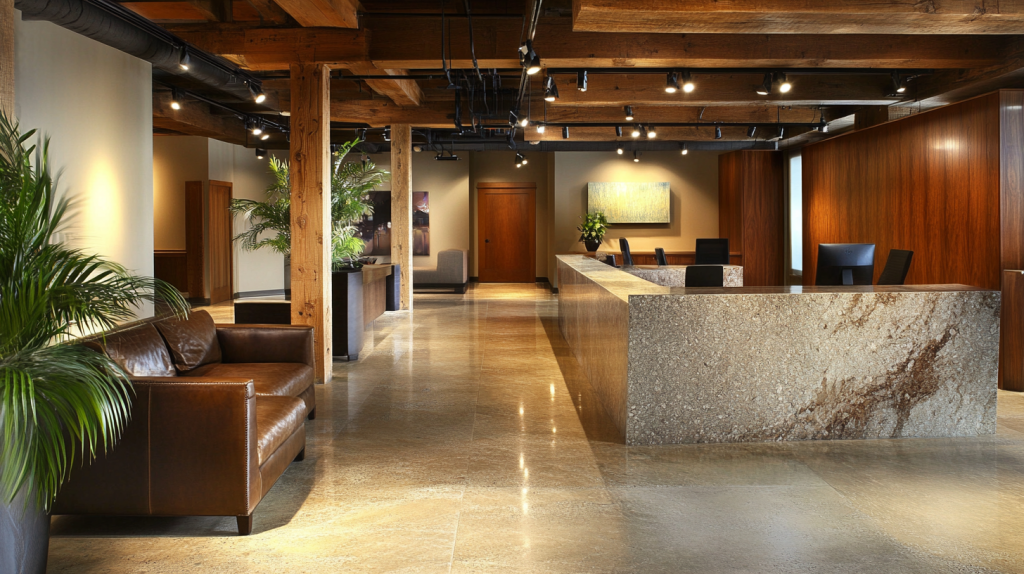
Heritage Materials in Modern Offices
In an age of rapid technological advancement and sleek minimalist design, there’s a growing appreciation for heritage materials in modern office environments. Traditional materials like wood, stone, leather, and metals are being reimagined and integrated into contemporary workspaces, creating environments that balance innovation with a sense of permanence and authenticity.
The Resurgence of Natural Materials
The renewed interest in heritage materials isn’t simply nostalgia—it represents a thoughtful reaction to the sometimes sterile, plastic-dominated environments that characterized many offices in recent decades. Today’s workplaces are increasingly designed to emphasize human connection, wellness, and sustainability—goals that traditional materials inherently support.
This return to natural elements is backed by research showing that exposure to natural materials can reduce stress, improve cognitive function, and enhance overall wellbeing. Studies have found that offices incorporating wood elements, for example, can lower blood pressure and heart rate while increasing productivity and creativity.
Modern Interpretations of Traditional Materials
What makes today’s use of heritage materials different is how they’re being reimagined through contemporary manufacturing techniques, finishes, and applications. These aren’t simply reproductions of traditional furniture but thoughtful reinterpretations that honor craft traditions while meeting modern needs.
Wood: Perhaps the most versatile heritage material, wood is appearing in offices in new and innovative ways. CNC-milled acoustic wall panels combine traditional lumber with algorithmic designs. Engineered wood products allow for previously impossible spans and forms while maintaining the warmth of natural grain. Even traditional joinery techniques are being updated with modern precision manufacturing, creating furniture that celebrates craftsmanship while accommodating technology.
Stone: Once reserved for monumental architecture and executive offices, stone is now being incorporated in thinner, lighter applications. Advances in cutting technology allow for ultra-thin stone veneers that can be backlit, revealing the material’s inherent beauty while reducing weight and cost. Terrazzo, a traditional material made from marble chips, has been reimagined with recycled glass and contemporary colors for flooring and work surfaces.
Metals: Traditional metals like brass, copper, and bronze are experiencing a renaissance in office design. Modern fabrication techniques allow these materials to be used in more intricate ways while developing patinas that tell the story of use over time. From desk accessories to architectural elements, these metals bring warmth and character that aluminum and chrome typically lack.
Leather: Plant-based alternatives now offer the look and feel of leather with improved sustainability credentials. Traditional tanning methods are also being refined to reduce environmental impact, making real leather a more conscious choice for seating and accessories that will develop a rich patina over years of use.
Biophilic Connections
The integration of heritage materials aligns perfectly with the principles of biophilic design—an approach that seeks to connect building occupants more closely to nature. Natural materials with minimal processing allow users to maintain a tangible connection to the natural world, even in indoor environments.
This connection manifests in several ways:
Sensory Richness: Unlike synthetic materials, natural elements provide varied sensory experiences—the subtle grain variations in wood, the cool touch of stone, the developing patina of leather and metals. These sensory qualities create more engaging, human-centered environments.
Temporal Connection: Heritage materials age gracefully, developing character over time rather than simply wearing out. This creates spaces that evolve naturally, telling the story of their use and the organization’s history.
Cultural Resonance: Traditional materials often carry cultural significance, connecting to craft traditions and architectural heritage that provide a sense of place and continuity in an increasingly digital world.
Implementation Considerations
Successfully incorporating heritage materials into modern workplaces requires thoughtful planning:
Sustainability: Source materials from responsible suppliers who can document chain of custody and sustainable harvesting or extraction practices.
Authenticity: Choose real materials rather than synthetic imitations whenever possible—the authenticity is both visible and tactile.
Maintenance: Consider the care requirements of natural materials and provide appropriate training and supplies to maintenance staff.
Balance: Integrate heritage materials with modern elements to create environments that feel neither dated nor coldly contemporary.
Ready to upgrade your office furniture? Contact us at All Business Systems for expert advice and top-quality solutions.