
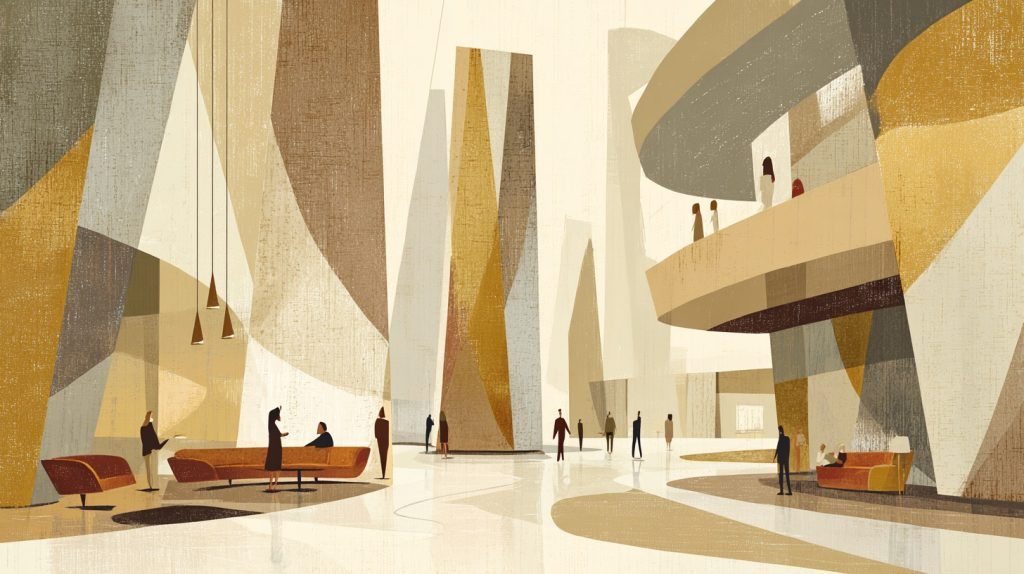
Lobby and Common Area Furniture: Making Multi-Tenant Office Buildings More Competitive
Shared Spaces Are Now a Competitive Differentiator
Multi-tenant office buildings across Northern Virginia and Washington DC compete for tenants in a market where occupancy rates have shifted and businesses have more options than they did a decade ago. Lease terms and location still matter, but tenant experience has become a deciding factor for organizations that have choices. Lobby and common area furniture is no longer a maintenance line item — it is a leasing tool.
The Lobby Sets Expectations for the Entire Building
Tenants and their clients form their first impression of a building in the lobby. Worn seating, outdated finishes, and furniture that does not match the building’s positioning communicate that the property is not actively managed or invested in. A lobby furnished with current, well-maintained pieces signals to prospective tenants that management cares about the environment they are signing a lease in. That impression carries through to renewal decisions.
Lounge and Collaboration Areas Extend Tenant Value
Buildings that offer furnished common areas where tenants can hold informal meetings, take calls, or work between appointments provide value that individual suites cannot always replicate. Lounge seating arranged for small group conversation, high-top tables for standing work sessions, and quiet alcoves for focused individual work turn underused square footage into an amenity tenants factor into their space calculations.
Durability Must Match Commercial Traffic Volumes
Common areas in multi-tenant buildings absorb far more daily use than a single-tenant office. Seating, tables, and accent pieces in these spaces need commercial-grade construction that maintains appearance under constant use by dozens of different occupants. Residential or light-commercial furniture placed in high-traffic building lobbies degrades visibly within months, creating the worn impression that pushes prospective tenants toward competing properties.
Consistency Across Common Areas Reflects Property Management Standards
Buildings where lobby furniture, elevator landings, and floor common areas share a coherent aesthetic communicate that the property is professionally managed with attention to detail. Disconnected furniture accumulated across floors and spaces over time — different finishes, mismatched styles, varying conditions — produces an impression of neglect even when individual pieces are not significantly worn.
Refresh Cycles Protect Asset Value
Common area furniture is a property asset that depreciates visibly over time. Buildings that maintain a consistent refresh cycle — replacing seating and accent pieces before they become conspicuously worn — protect the property’s competitive positioning and support the lease rates the building commands. Deferred furniture investment eventually shows up in occupancy rates and tenant negotiations.
Furnishing Common Areas as a Leasing Investment
Property managers who treat lobby and common area furniture as a leasing tool rather than a maintenance cost make decisions that improve tenant retention and attract higher-quality prospects. The return on well-maintained, well-designed common areas shows up in occupancy and renewal rates.
Ready to make your building’s common areas a competitive advantage? Contact us at All Business Systems for commercial lobby and common area furniture solutions throughout Northern Virginia and the DC metro area.