
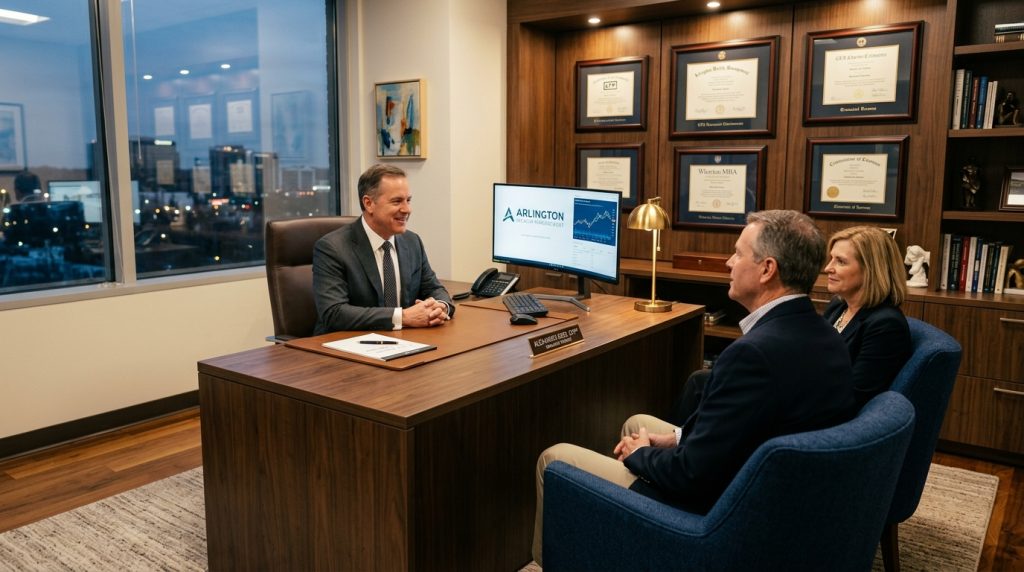
Office Furniture for Financial Advisors: Building Trust from the Moment Clients Sit Down
Furniture Communicates Credibility Before You Speak
Financial advisors in Northern Virginia and Washington DC compete for clients who are evaluating multiple firms before committing their assets. The office environment shapes that decision before any conversation about returns or strategy begins. Clients entering a cluttered, worn, or generic office register doubt about the organization’s attention to detail and stability. The physical space either reinforces your credentials or quietly undermines them.
The Client Chair Is a Trust Signal
Clients sitting across from their advisor spend an entire meeting in that chair. Seating that is uncomfortable, visually mismatched, or dated communicates that client comfort is not a priority. Quality client seating that is well-maintained, properly scaled to the desk, and visually consistent with the rest of the office tells clients they are in a place that operates with care and intention.
The Advisor Desk Sets the Stage for Confidential Conversations
Financial conversations are inherently personal. Clients share income figures, debt situations, family circumstances, and retirement fears. A desk that positions advisor and client at the right distance — close enough for document review, arranged to prevent passersby from seeing sensitive screens — creates the physical conditions that encourage candor. A well-chosen advisor desk also provides adequate surface area for documents and devices without visual clutter that distracts from the conversation.
Private Offices Versus Open Plans in Advisory Practices
Client-facing advisory work requires acoustic and visual privacy that open floor plans cannot provide. Even firms that use open workstations for administrative staff should maintain private offices or enclosed meeting spaces for client consultations. Clients who can be seen or overheard during sensitive discussions leave with reservations about confidentiality that no disclosure document fully addresses.
Reception and Waiting Areas Influence First Impressions
Clients waiting for appointments form their initial assessment in the reception area. Furniture that feels substantial, current, and well-maintained communicates that the firm is established and attentive. A waiting area with aging chairs, mismatched tables, and worn surfaces suggests a practice that has stopped investing in itself — which raises questions about how it manages client assets.
Consistency Across the Office Reinforces Brand
Advisory practices benefit from visual coherence across all client-visible spaces. When the reception area, conference room, and individual offices share a consistent aesthetic — coordinated finishes, compatible styles, unified color palette — the environment reads as intentional and professionally managed. Disconnected furniture accumulated over time produces the opposite impression regardless of individual piece quality.
Investing in Spaces That Earn Client Confidence
Clients trust advisors with assets they have spent decades accumulating. The physical environment where that relationship begins and continues either supports or erodes that trust at every visit. Office furniture is not a cosmetic expense for financial practices — it is a component of the client experience that directly affects retention and referrals.
Ready to create an office environment that earns client confidence from the first appointment? Contact us at All Business Systems for office furniture solutions tailored to financial advisory practices in Northern Virginia and DC.