
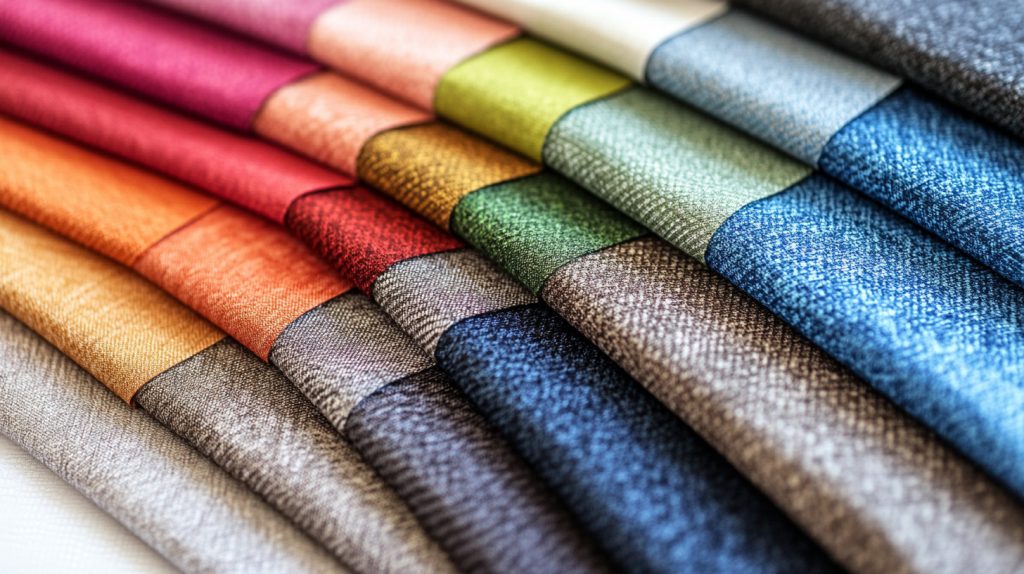
The Impact of Textures in Office Furniture: Beyond Color and Form
When designing an office, much attention is often given to color schemes and the form of furniture, but one aspect that is sometimes overlooked is texture. While texture might not always be the first consideration in office design, it plays a crucial role in the overall sensory experience of the workspace. Different textures can evoke specific feelings, impact employee comfort, and even influence productivity. Let’s explore the significance of textures in office furniture and how they can enhance the workplace environment.
Understanding the Sensory Role of Texture
Texture is the physical feel of a surface, ranging from smooth to rough, soft to firm. In office furniture, textures can come from materials like wood, metal, fabric, leather, and plastic. The tactile experience of these materials can significantly affect how employees interact with their workspace.
Consider the difference between sitting in a plush, fabric-upholstered chair versus a sleek, leather one. The sensation of touch triggers a variety of responses that go beyond mere comfort, potentially affecting mood and productivity. Rough, cold surfaces might feel impersonal or uninviting, while soft, warm materials can create a more welcoming and relaxed environment.
The Psychological Impact of Texture
Textures can evoke emotional and psychological responses that influence how employees feel about their environment. Here are a few examples of how texture can impact the workplace:
- Soft Textures: Furniture made from plush fabrics, such as upholstered chairs or couches, can create a sense of comfort and warmth. These materials are often associated with relaxation and can make common areas like lounges or breakout spaces more inviting. Soft textures are ideal for collaborative spaces where you want to encourage informal, creative thinking.
- Smooth Textures: Sleek surfaces like glass and polished metal tend to convey a sense of professionalism and efficiency. These textures are often found in executive offices or conference rooms, where a more formal atmosphere is required. However, using too many smooth, hard surfaces can sometimes make an office feel cold or sterile, so it’s important to balance them with softer elements.
- Natural Textures: Incorporating natural materials like wood, rattan, or stone can help create a grounded, calming environment. These textures offer a tactile experience that connects employees to nature, which can reduce stress and increase feelings of well-being. Wooden desks, textured fabric partitions, and stone accent tables are examples of how natural textures can add warmth and personality to a workspace.
- Patterned or Layered Textures: Combining different textures, such as a mix of fabric upholstery and metal accents, can add visual interest and stimulate creativity. Layering textures creates a dynamic environment that feels multidimensional, making it an excellent choice for creative industries or collaborative spaces where innovation is encouraged.
How Texture Impacts Employee Comfort
Comfort is critical in the workplace, and texture plays a significant role in it. Employees who spend long hours at their desks need furniture that not only looks good but also feels good. Here are a few ways that texture influences comfort:
1. Upholstery and Seating
The texture of chair upholstery is a key factor in employee comfort. Chairs made with breathable, fabric upholstery can offer a soft, cushioned seating experience that helps reduce discomfort during long periods of sitting. Conversely, leather or faux leather chairs provide a smooth, sleek feel, which can offer a sense of luxury, though they may feel less comfortable for extended use in warm environments where breathability is a concern.
2. Work Surface Textures
Desks and tables also play a role in tactile comfort. Smooth surfaces like glass or laminate provide a modern aesthetic, but they can feel cold to the touch and may lack the tactile warmth that wood provides. A textured wooden surface, on the other hand, adds warmth and character to a desk, making it feel more inviting and personal. Textured surfaces can also reduce glare, which is an added bonus for employees working with screens.
3. Floor and Partition Textures
Carpeting, rugs, and fabric partitions can enhance the sensory experience in the office by adding softness and absorbing sound. Hard surfaces like tile or wood may look sleek, but they can amplify noise, leading to a more distracting environment. Introducing textured flooring materials or acoustic panels made from felt or other fabrics helps reduce noise and creates a more comfortable and quiet workspace.
Creating a Balanced Environment
When choosing textures for an office, balance is key. Too much of one texture can make a space feel monotonous or overwhelming. For example, an office filled with only sleek, smooth materials may feel cold and impersonal, while too many soft or plush textures might seem overly casual and reduce focus.
Here’s how you can achieve balance:
– Mix natural and man-made materials. Pair sleek metal or glass surfaces with natural wood elements to add warmth.
– Use soft textures in communal spaces and more structured, smooth textures in work areas to define the atmosphere in different zones.
– Layer textures to add depth and visual interest. For example, combine a fabric office chair with a textured wooden desk or a soft area rug with smooth, polished floors.
Conclusion
The textures used in office furniture have a profound impact on the overall sensory experience of the workplace. By thoughtfully selecting materials that balance softness, smoothness, and natural elements, businesses can create an environment that promotes comfort, well-being, and productivity. Whether it’s the inviting feel of upholstered seating or the sleek professionalism of a polished desk, textures are a powerful tool for shaping the office atmosphere.
Ready to enhance your office with thoughtfully selected textures? Contact us at All Business Systems for expert advice and top-quality solutions.